
Opioid Addiction Recovery
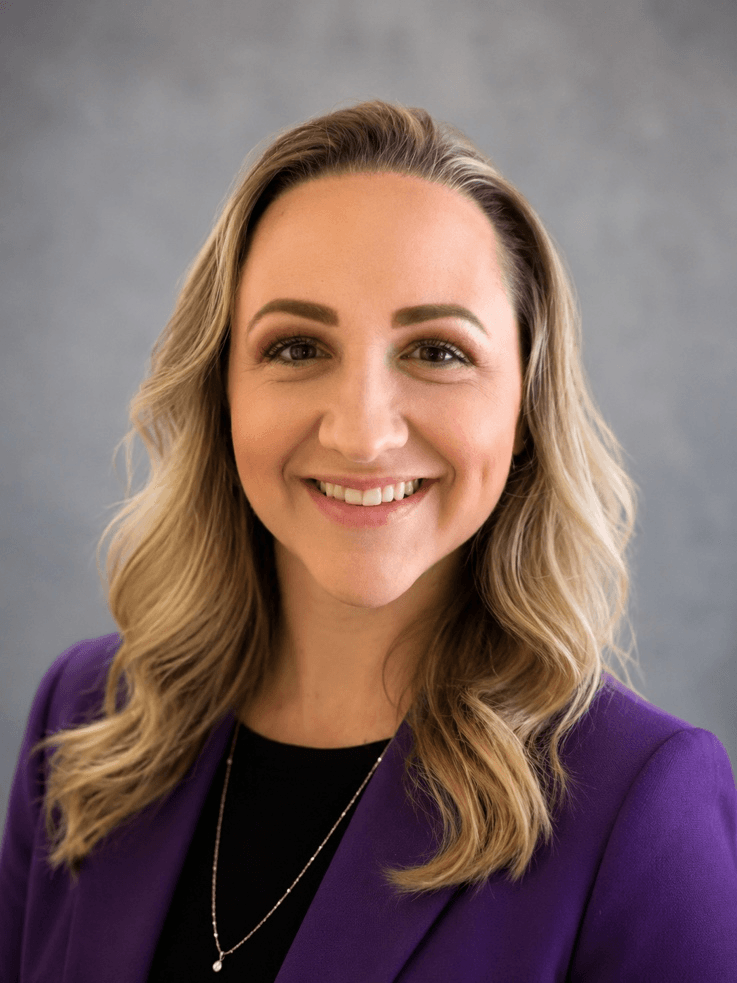
Dr. Vaun Williams
Understanding Opioid Addiction
Opioids are powerful pain-relieving medications that act on receptors in the brain and nervous system to reduce pain and create feelings of relaxation or euphoria.
Opioids can be life-changing for people experiencing acute or chronic pain, but are also highly addictive due to triggering powerful reward centers in the brain, carrying a significant risk of tolerance, dependence, and addiction. Mayo Clinic.
Many people who develop an opioid use disorder (OUD) begin with a completely legitimate prescription after surgery, injury, or chronic pain. Over time, the brain adapts, and a person may need more of the medication to achieve the same effect. Eventually, taking opioids can shift from “helping with pain” to “feeling unable to function without them.”
At Faithland Recovery Center, we help individuals safely recover from opioid addiction and address the emotional, psychological, and physical challenges that underlie long-term use. Recovery is completely possible, and you don’t have to go through this alone or watch a loved one struggle.
A Compassionate Conversation: Encouraging a Loved One to Seek Help
Parent: “I’ve noticed you’re in a lot of pain lately. I can see it’s not just physically, but emotionally too. I really care about you, and I’m worried about how much you’re leaning on your pain pills to feel okay.”
Struggling Adult Child: “I know you’re worried, but I’m just doing what I have to do to get through the day. I’m not like those people you see on the news.”
Parent: “I don’t see you like that, but I know you are hurting. Opioids are very powerful; I read that they can change how the brain works. It doesn’t mean you’re weak or broken, but I think you need some support to heal and find other ways to cope.”
Struggling Adult Child: “I’m scared. What if I can’t handle the pain? What if withdrawal is even worse?”
Parent: “I know you’re scared, but you don’t have to face this alone. Faithland has medical and emotional support to help with withdrawal, pain. You have had a tough couple of years of stress, trauma, and worry about the future. Would you be open to just talking with someone there? No pressure, just a conversation about options.”
Struggling Adult Child: “…I guess I could talk to someone. I don’t want to go on like this forever.”
Parent: “That’s a brave first step. I promise I’ll be right beside you. Let’s call together and see what support is available.”
One compassionate, non-judgmental conversation can be the first step toward safety and healing: for you or someone you love.
Insurance FAQs
At Faithland, we accept most PPO insurance. Please call us or complete the insurance verification form via the link below to verify your insurance.
Unable to call? Fill out the form below and a specialist will contact you as soon as possible!
What Are Opioids and How Do They Work?
Opioids (sometimes called narcotics) include both prescription medications used to treat pain and illegal drugs like heroin. They can be naturally derived from the opium poppy or made synthetically in a lab. Common prescription opioids include oxycodone, hydrocodone, morphine, methadone, fentanyl, and others.National Institute of Drug Addiction (NIDA).
They work by binding to opioid receptors in the brain and central nervous system, reducing the perception of pain while often creating a sense of calm or euphoria. Over time and repeated exposure, they can change brain chemistry, leading to tolerance (needing more for the same effect) and dependence (feeling unwell or in withdrawal without them). Mayo Clinic.
Prescribed Opioids
- Oxycodone (e.g., Percocet, Percodan, OxyContin)
- Morphine (e.g., Avinza, Kadian, MS Contin)
- Hydrocodone (e.g., Lortab, Lorcet, Vicodin)
- Diphenoxylate (Lomotil)
- Meperidine (Demerol)
- Fentanyl (Duragesic)
- Codeine (e.g., Tylenol with Codeine, Vopac)
- Hydromorphone (Dilaudid)
- Propoxyphene (Darvon)
- Methadone
How Opioid Dependence Develops
For many people, dependence on opioids develops slowly and unintentionally:
- Short-term prescription use after surgery, injury, or dental procedures
- Chronic pain leading to long-term use
- Stress, trauma, or emotional pain that opioids temporarily seem to numb
Over time, a person may notice:
- Needing higher or more frequent doses to get relief
- Feeling “off,” anxious, or unwell when a dose wears off
- Taking opioids not only for pain, but to cope with stress, emotions, or daily life
Because opioids change the brain’s reward pathways, even short-term use can sometimes lead to ongoing misuse and addiction. However, opioid use disorder is a treatable medical condition, not a moral failing, and people do recover.
Signs and Symptoms of Opioid Addiction

It’s important to recognise symptoms early to prevent serious complications, including overdose.
Physical Signs
- Drowsiness or “nodding off”
- Small, pinpoint pupils
- Slowed breathing or heart rate
- Constipation, nausea, or sweating
- Frequent flu-like symptoms (aches, chills, runny nose)
- Withdrawal when doses are missed: muscle aches, anxiety, yawning, diarrhea, vomiting
Emotional & Cognitive Signs
- Increased anxiety, irritability, or depression between doses
- Thinking obsessively about medication or opioids
- Feeling unable to cope without taking something
- Loss of interest in hobbies, work, or relationships
Behavioral Signs
- Running out of medication sooner than expected
- “Doctor shopping” or using multiple prescribers
- Using opioids in risky ways (crushing, snorting, or injecting)
- Using opioids not prescribed to them
- Hiding pills, prescriptions, or how much they’re taking
If you or a loved one feels unable to stop or cut back without withdrawal symptoms, it’s a clear sign that professional help is needed.
You’re Not Alone. Learn About Your Options.
The Risks of Long-Term Opioid Use and Overdose
Long-term opioid use can affect nearly every area of life:
Health and Safety Risks
- Worsening pain sensitivity over time (opioid-induced hyperalgesia)
- Hormonal changes, sleep problems, and lowered immune function
- Increased risk of falls, accidents, and injuries
- Higher risk of depression and anxiety
Overdose Risks
Opioids can slow breathing. In high doses, or when combined with alcohol, benzodiazepines, or other sedatives, breathing can slow or stop altogether, leading to a life-threatening overdose. CDC.
Signs of a possible opioid overdose include:
- Unresponsiveness or inability to wake the person
- Slow, shallow, or stopped breathing; gurgling or snoring sounds
- Bluish or gray lips or fingertips
- Pinpoint pupils
An opioid overdose is a medical emergency. Call local emergency services immediately. Medications like naloxone can rapidly reverse an opioid overdose when given in time.
Opioid Withdrawal and Why Support Matters
Stopping opioids suddenly can lead to distressing withdrawal symptoms, such as:
- Restlessness, anxiety, and irritability
- Muscle and bone painInsomnia
- Diarrhea, vomiting, and abdominal cramps
- Chills, goosebumps, and sweating
While opioid withdrawal is typically not life-threatening in the same way as benzodiazepine withdrawal can be, it can feel overwhelming and is a major reason many people struggle to quit on their own. Medically supervised detox and evidence-based medications can make this process safer, more comfortable, and more successful.
Treatment for Opioid Addiction at Faithland

Our approach addresses both the physical aspects of opioid dependence and the underlying emotional and spiritual roots of addiction. Treatment may include:
1. Medical Assisted Treatment (MAT)
MAT combines FDA-approved medications with counseling and behavioral therapies. For opioid use disorder, medications such as methadone, buprenorphine, and naltrexone can:
- Reduce cravings and withdrawal
- Help stabilize brain chemistry
- Lower the risk of relapse and overdose
2. Outpatient Treatment at Faithland
Outpatient programs are ideal for people who may not need 24/7 residential care. They can include:
- Individual counseling and personalized therapy
- Education on pain management, coping skills, and relapse prevention
- Support for returning to work, school, and family roles
Faithland offers a continuum of outpatient care, adapted to different needs and recovery stages: mild (OP), moderate (IOP) and intensive support (PHP, similar to inpatient programs).
3. Virtual Intensive Outpatient Therapy (VIOP)
Virtual IOP allows you to access intensive addiction treatment from home through secure video sessions. This option supports people who need strong clinical care while continuing to work, study, or care for family.
4. Residential Treatment Programs (External Partners)
For some, a structured residential setting is the safest first step. These programs provide 24/7 support, daily therapy, medication management, and holistic services in a stable environment away from everyday triggers.
Talk to us about which treatment option might be right for you.
Many people with opioid addiction also experience:
- Anxiety
- Depression
- PTSD or trauma history
- Chronic pain
- Other mental health conditions
Treating both opioid use disorder and co-occurring mental health concerns is essential for long-term recovery.
6. Evidence-Based Therapies
Faithland incorporates evidence-based therapies such as:
- Cognitive Behavioral Therapy (CBT)
- Dialectical Behavior Therapy (DBT)
- Mindfulness-based therapies
- Trauma-focused therapies
- Group therapy and peer support
These approaches help you process pain and stress, improve emotional regulation, and build new, healthier coping strategies that don’t rely on substances.
Recovery Starts with One Compassionate Conversation
Recovery from opioid addiction is absolutely possible, even if it feels overwhelming right now. With caring support, evidence-based treatment, and a plan tailored to your life story, you can reclaim your life or help a loved one start their journey back to health and wellbeing. Faithland Recovery Center is here to walk beside you, one step at a time.
You don’t have to do this alone.
Sources
- National Institute on Drug Abuse (NIDA). “Opioids”. https://nida.nih.gov/research-topics/opioids?
- Mayo Clinic. “How opioid use disorder occurs.” https://www.mayoclinic.org/diseases-conditions/prescription-drug-abuse/in-depth/how-opioid-addiction-occurs/art-20360372?
- U.S. Centers for Disease Control and Prevention (CDC). “Preventing Opioid Overdose.” https://www.cdc.gov/overdose-prevention/prevention/index.html?
- U.S. Food and Drug Administration (FDA). “Information about Medications for Opioid Use Disorder (MOUD).” https://www.fda.gov/drugs/information-drug-class/information-about-medications-opioid-use-disorder-moud?
Does Your Insurance Cover Mental Health?
We accept most insurances. Verify your insurance now.