
Residential Treatment Program at Faithland Recovery Center
There are times on a recovery journey when outpatient support is not enough. A person may need more structure, more safety, more clinical support, and more space away from daily pressures to begin healing.
Residential treatment centers (RTCs) take support to the next level by providing a structured, supportive setting with 24-hour care, along with therapy, skill-building, psychiatric support, and treatment planning individualized for each person. In general, residential care is less intensive than inpatient hospitalization, but more intensive and structured than outpatient treatment. Residential care is especially helpful when substance use, trauma, depression, anxiety, or other co-occurring challenges interact and affect daily life.
At Faithland Recovery Center, we are excited to be preparing for the launch our new Residential Treatment Program, with anticipated admissions in June 2026. This program is being built around the heart of what Faithland does best: individualized care, trauma-informed treatment, whole-person healing, and a safe place where people feel genuinely seen. It will also include a veteran-specific track with a focus on veteran trauma therapy.
A Quiet Place to Begin Again

Imagine someone who has been trying to hold it together for a long time.
When days of cycling through anxiety, depression, trauma responses, or substance use turn into months, it is exhausting. Maybe they have tried to keep working and showing up for family while pushing through. But underneath it all, they feel overwhelmed, emotionally overcome, and unable to manage their usual routines.
Residential treatment offers something unique: a pause from the chaos, a steady rhythm to the day, a skilled team that helps to unravel what is really going on.
At Faithland, that process starts with listening to each person’s story. In the first 72 hours, clients meet with the provider, therapist, and case manager to begin developing individualized treatment goals. Over the course of treatment, the focus is not just symptom relief but a deeper understanding: learning triggers, addressing underlying trauma, strengthening relapse prevention skills, and building a practical path forward.
Who Benefits from Residential Treatment?
Residential treatment may be especially helpful for people who:
- Need more support than weekly therapy or outpatient care can provide
- Are struggling with substance use along with anxiety, depression, trauma, or other mental health concerns
- Need a safe, contained environment to stabilize and begin healing
- Benefit from daily structure, accountability, and clinical oversight
- Have tried lower levels of care without enough progress
For veterans, residential care can also be an important option when trauma symptoms are significant, and outpatient care alone has not been enough.
Why Residential Treatment Can Be So Helpful
Residential treatment can create the conditions for meaningful change because it brings several important aspects together:
1. Safety and Structure
A steady and safe environment helps calm the nervous system and reduce the constant noise of outside triggers, responsibilities, and survival-mode coping. Residential programs are designed to provide structured, supportive, 24/7 care.
2. Whole-Person Care
Research-based treatment for substance use and co-occurring mental health conditions works best when the whole person is addressed, not just symptoms in isolation. This includes considering emotional, biological, behavioral, psychiatric, social, and practical needs.
3. Integrated Treatment
Mental health and substance use often overlap. Integrated care, where both are treated together, is widely recommended because it leads to better quality of care and outcomes than treating one issue while ignoring the other.
4. Time to Go Deeper
Residential treatment gives people more time and space to understand patterns, process trauma, build coping skills, and practice healthier ways of living before stepping back into their daily life.
At Faithland, the intended core changes over a client’s stay include gaining insight into triggers, understanding underlying trauma, and learning relapse prevention skills that can support long-term recovery.
Need more support than outpatient care can offer? Faithland’s new residential program may be the next right step.
What Makes Faithland’s Residential Program Different?
Faithland’s new residential program is being designed to feel personal, calm, and truly therapeutic.
Signature elements currently planned include:
- Highly individualized treatment rather than a one-size-fits-all approach
- A small, intimate 16-client program
- A veteran-specific trauma track
- Person-centered, trauma-informed care
- A holistic approach to healing
- A quiet residential setting with a green backyard and Zen garden
- 24/7 staffing and supervision onsite
The overall intention is to provide a quiet and grounded place where people feel accepted, can finally exhale, and where real healing work can begin.
Faithland’s Treatment Philosophy in Residential Care
Faithland’s residential program is being built around individualized, person-centered care. Our treatment draws from compassionate, trauma-informed, holistic, evidence-based, faith-sensitive, and recovery-oriented approaches depending on each client’s needs. Everyone’s story is different, and each person needs a tailored roadmap to healing.
Our approach aligns with broader best practices in addiction and co-occurring mental health treatment. Effective care should be individualized, address multiple needs, and may include behavioral and other therapies, counseling, medication support, and ongoing reassessment.
What a Typical Week May Include at Faithland
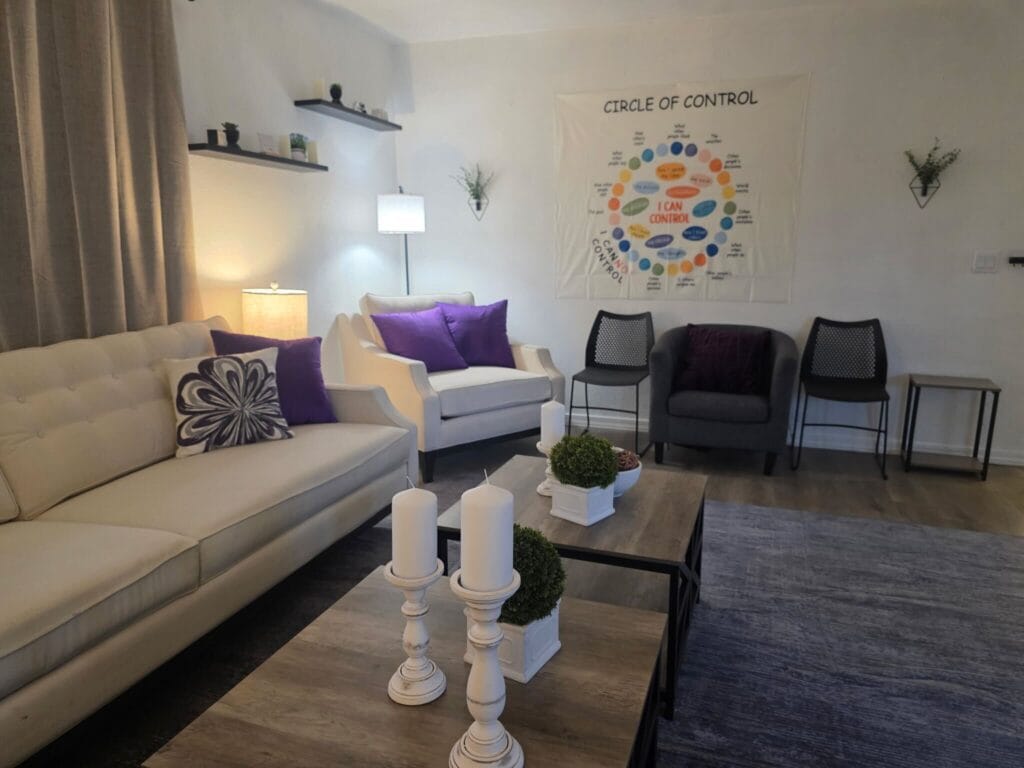
While the exact daily schedule is still being finalized, a typical week is expected to include:
- Individual therapy (CBT, DBT, Trauma-informed Therapy)
- Case management appointments
- Weekly psychiatric provider visits
- Structured groups
- Recreation time
- Yoga and Mindfulness/Meditation
- Sound bowl healing sessions
- Structural healing / holistic wellness offerings
- Family therapy, when beneficial
Clients are expected to meet with a therapist weekly, or more often if clinically recommended, and with the psychiatric provider weekly. The clinical team for residential includes a Clinical Director, Therapist, Case Manager, Psych Provider, and Nurse.
How Treatment Is Individualized
At Faithland, individualized care begins early in the process and continues throughout.
This may include assessment and treatment around:
- Substance use recovery
- Trauma and trauma triggers
- Mental Health issues such as Anxiety or Depression
- Relapse prevention
- Emotional regulation
- Psychiatric care
- Family concerns
- Step-down planning and aftercare
- Medical Assisted Treatment
Faithland’s notes also emphasize that co-occurring disorders are addressed as part of the treatment plan, based on what the client wants to work on and what is clinically required.
Support for Veterans and Trauma Recovery
One of the most distinctive features of this new program is its veteran-specific track, including specialization in veteran trauma therapy.
This matters because veterans may carry trauma related to combat, military sexual trauma, loss, hypervigilance, moral injury, or difficulty transitioning back into civilian life. The VA considers residential treatment an important level of care for veterans with PTSD and related concerns because it provides more structure, support, and a comprehensive team approach.
Faithland’s veteran track aligned with this by offering care in a smaller, calmer setting that is both clinically grounded and deeply personal.
Residential Living at Faithland
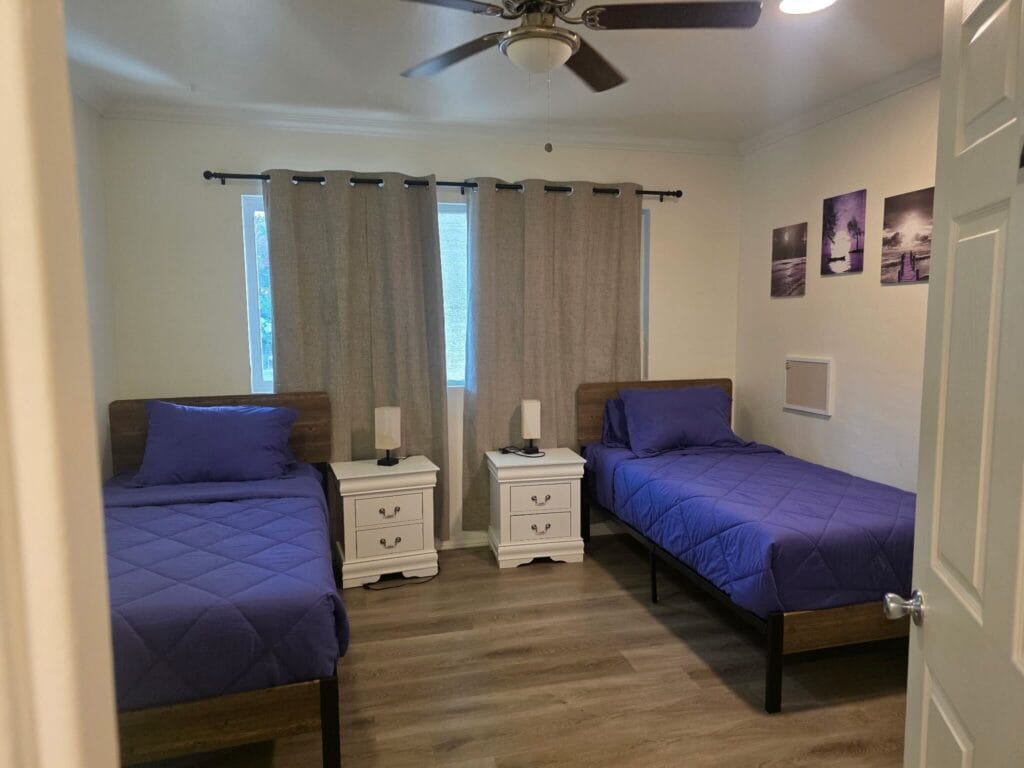
The resident setting includes:
- Double-occupancy rooms
- Shared bathrooms
- Visiting hours on Sundays for three hours
- 24/7 staffing and constant supervision
We are aiming to build a healing environment that is quiet, quaint, and calming, with a green backyard and Zen garden to support rest, reflection, and healing.
Length of Stay and What Comes Next
A common anticipated length of stay is 30 to 45 days. After residential treatment, clients will often step down into Partial Hospitalization Program (PHP), Intensive Outpatient Program (IOP) or Outpatient Program (OP). This includes Faithland’s own programs when that is deemed the best fit for clients. Our guiding principle is continuity of care and helping each person move into the next phase of recovery with appropriate support.
This kind of step-down planning is important as recovery is usually strongest and most sustained when treatment is not viewed as a single event, but as a continuum of care matched to the person’s evolving needs.
Insurance Information
Faithland accepts:
- TriWest
- TRICARE
- Banner University Medicaid Plan
- Health Choice Medicaid
- Blue Cross Blue Shield of Arizona
- Aetna
- Cigna
Have questions about insurance coverage? Reach out to our team. We’re here to help.
A New Chapter of Healing at Faithland
We are passionate about this new residential program. It represents something important we want to offer: more room for deeper healing, more support for clients who need structure and safety, and more ways Faithland can walk alongside people facing addiction, trauma, and co-occurring mental health challenges.
For someone who feels worn down, overwhelmed, or stuck in unhelpful patterns they cannot change on their own, residential treatment offers a fresh pathway. And for veterans seeking trauma-informed care in a more intimate setting, Faithland’s new program may become a particularly meaningful option.
This is more than a new service; it is a new space for restoration, insight, empowerment, and hope.
A more supported path to healing is coming soon. Reach out to learn about Faithland’s new Residential Treatment Program.
Sources
- U.S. Department of Veterans Affairs. VA Residential treatment for PSTD recovery.
- U.S. Department of Veterans Affairs. VA Residential Mental Health Rehabilitation Treatment
Does Your Insurance Cover Mental Health?
We accept most insurances. Verify your insurance now.