
Individual Therapy at Faithland Recovery Center
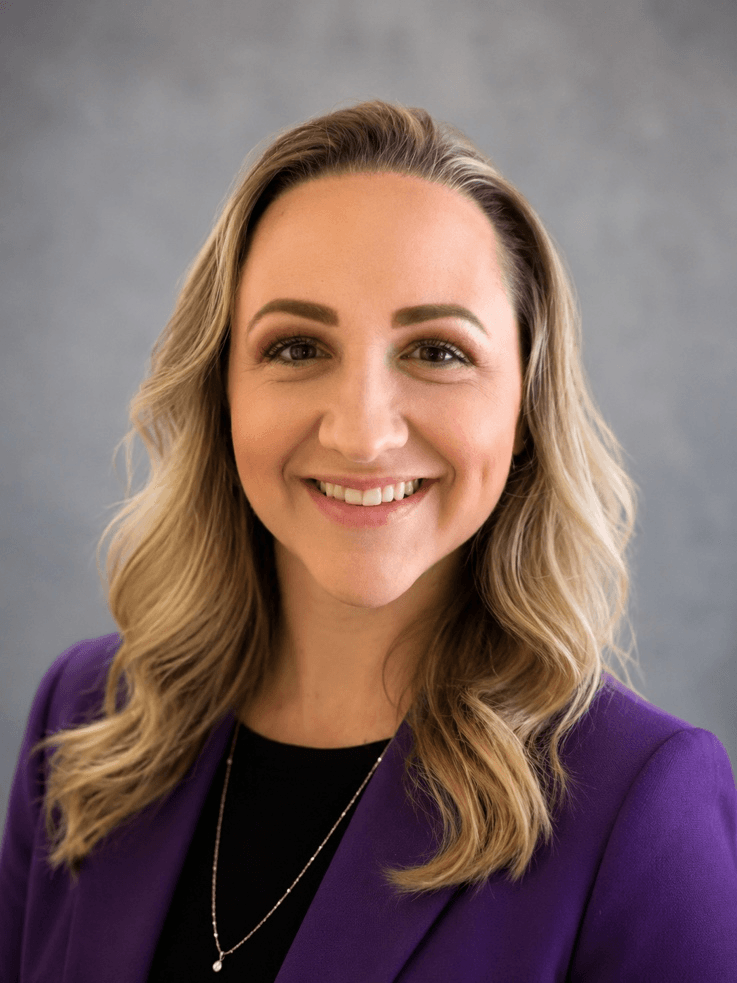
Dr. Vaun Williams
People often reach out for therapy when everything feels heavy and overwhelming. Underlying factors can be anxiety, depression, trauma, substance use, grief, burnout, or just a growing sense that life has become difficult to manage.
Individual therapy offers a private place to slow down and begin unravelling the truth about what is happening. In one-on-one sessions, you meet with a trained clinician who helps you understand patterns, build practical tools, and move toward steadier mental, emotional, and behavioral health.
At Faithland Recovery Center, individual therapy is part of whole-person healing. We use evidence-based, trauma-informed approaches such as Cognitive Behavioral Therapy (CBT), Dialectical Behavior Therapy (DBT) skills, and mindfulness-based therapy, while also attending to the foundations that make recovery more possible: sleep, nourishment, connection, routine, and a renewed sense of meaning. For people facing both mental health symptoms and substance use, individualised and integrated care is especially important.
A Space to Be Honest
One of the healing aspects of individual therapy is the calm space where things can be said out loud that may never have felt safe to say before.
People can open up about the panic that comes out of nowhere or the way alcohol became a way to seek relief. They can express the exhaustion of holding things together for everyone else, or the shame that follows a relapse, or the grief that makes moving forward feel impossible.
In individual therapy, the goal is not to judge or rush people. It is a structure for understanding what is happening beneath the surface, to help make sense of things, and begin practising new ways of responding. The therapeutic relationship itself is very important. APA describes psychotherapy as a process that helps people identify and change troubling emotions, thoughts, and behaviors. Good therapy is built on trust, collaboration, and an ability to be authentic in the room.
What Individual Therapy Helps With
People come to individual therapy for many reasons. Some are in acute distress. Others simply know they are not living in a way that feels bearable or sustainable over time.
At Faithland, individual therapy may support people who are dealing with:
- depression, anxiety, or overwhelming stress
- trauma-related symptoms or painful past experiences
- substance use and relapse patterns
- shame, self-criticism, or emotional instability
- grief, loss, or difficult life transitions
- relationship strain and isolation
- questions of identity, purpose, faith, or direction
Therapy can also help with personal growth, self-awareness, communication, emotional regulation, and healthier coping.
Looking for a supportive place to begin therapy? Reach out to Faithland today.
What Individual Therapy Looks Like at Faithland
Individual therapy at Faithland is tailored to each person who walks through our doors. This means no one-size-fits-all. Our therapists listen for the story beneath the symptoms and help shape treatment around individual needs, strengths, pace, and goals.
A first session often includes getting to know what brought you in, what has been difficult lately, what you have already tried, and what support systems or risks may be present. Over time, therapy may include learning practical skills, understanding triggers, exploring patterns, processing difficult experiences, and building a recovery plan that fits within daily life.
Because Faithland supports both mental health and recovery, individual therapy is not only about symptom relief. It is also about helping people live in more grounded ways. We look at the internal world, but also assess everyday conditions and factors that influence healing.
Therapeutic Approaches We Use
Cognitive Behavioral Therapy (CBT)
CBT helps people notice the links between thoughts, feelings, and behaviors. It can be especially helpful when someone gets caught in harsh self-talk, hopeless predictions, black-and-white thinking, or avoidance patterns. The work is future-focused and practical. The therapist and client work together to identify unhelpful patterns and start replacing them with thoughts and actions that are more balanced, realistic, and useful, APA.
At Faithland, CBT may be used to help with anxiety, depression, ruminating thoughts, relapse prevention, shame spirals, and the habits that quietly reinforce negative cycles.
The APA describes DBT as an intensive, comprehensive, multimodal psychosocial intervention, originally developed for people who struggle with intense emotions and self-destructive patterns. DBT emphasizes mindfulness, distress tolerance, emotion regulation, and interpersonal effectiveness. DBT teaches skills that help people manage intense emotions, reduce self-destructive behaviors, and improve relationships. It has also been shown to reduce suicidal and self-harming behaviors in some populations, NIMH.
At Faithland, DBT-informed work can help clients slow down urges, survive emotional spikes without making things worse, and navigate relationships more calmly.
Mindfulness-based therapy helps people notice thoughts, emotions, body sensations, and urges without immediately reacting to them. Rather than trying to force feelings away, mindfulness builds the capacity to pause, observe, and respond more intentionally.
At Faithland, mindfulness-based work may include grounding, present-moment awareness, breath-based practices, and compassionate noticing of inner experience, especially when stress, cravings, or emotional overwhelm begin to build.
A Holistic Focus: What Supports Healing Outside the Therapy Room

Real healing usually does not happen through insight alone. A person may understand their patterns very clearly and still feel exhausted, dysregulated, lonely, undernourished, or cut off from meaning. That is why Faithland also pays attention to foundational areas that strongly affect mental health and recovery.
Sleep
Sleep and mental health interact with each other deeply. Good quality sleep is essential for overall health and emotional well-being. Research by the CDC highlights a strong association between poor sleep and mental distress.
Nutrition and Daily Care
The NIMH emphasizes the importance of good self-care in supporting mental health and recovery, including basic routines that help support the mind and body. For many people, therapy works better when daily rhythms become more nurturing and less chaotic.
Connection
Isolation can quietly deepen depression, anxiety, feelings of shame, and substance use. CDC notes that social connection is important for both mental and physical health, and that stronger social bonds support healthier, longer lives.
Meaning
When people are struggling, therapy can help reconnect people with values, faith, purpose, contribution, and the relationships or practices that make life feel worth living. At Faithland, these areas are not treated as side issues. We believe in treating the whole person, not just a list of symptoms and issues.
Confidentiality: What You Share Is Treated With Care
Confidentiality matters deeply in therapy. Just as personal health information is private and protected under HIPAA, mental health information is protected as well.
That said, confidentiality is not absolute. Like other treatment providers, therapists explain the legal and ethical limits at the beginning of care. These may include situations involving immediate safety concerns, suspected abuse or neglect where reporting is required, or certain court-related situations.
At Faithland, we take privacy seriously and believe that clear conversations about confidentiality help build trust and strengthen the therapeutic relationship
Individual Therapy and Group Therapy: How They Differ
Individual therapy offers privacy, focused attention, and a treatment plan shaped around each person’s history, needs, and pace. It can be especially helpful when someone is discussing trauma, shame, relapse, family pain, or topics they are not yet ready to share in a group setting.
Group therapy offers something different and powerful: shared experience, perspective, practice with connection, and the reminder that you are not alone in the journey to recovery.
At Faithland, these approaches are not in competition. We often offer both: individual therapy as a space for deeper exploration and privacy, and group therapy for added community, practice, and support.
Individual Therapy Within Mental Health and Recovery Care
For many people, mental health symptoms and substance use are deeply intertwined. Anxiety may drive drinking. Trauma may fuel a need for escape. Depression may drain the energy needed to stay engaged in the recovery process. At Faithland, we offer integrated care for co-occurring mental health and substance use disorders because treating the whole person leads to better quality of care and outcomes.
Individual therapy can be part of outpatient care, part of a broader treatment plan, or part of support after higher levels of care. The aim is not simply to help someone “cope better” in the short term, but to support meaningful, lasting recovery.
A Quiet Place to Begin Again

Individual therapy is not about being “fixed.” It is about being met honestly in a supportive space, treated with dignity, and supported to build a life that is more stable, connected, and authentic.
At Faithland Recovery Center, we offer individual therapy as part of compassionate, evidence-based care for people facing mental health challenges, substance use, or both. Whether you feel overwhelmed, shut down, lost, ashamed, or simply tired of trying to get by alone, the first step is reaching out.
When you are ready, we are here to listen.
Sources
- American Psychological Association (APA). Understanding psychotherapy and how it works.
- American Psychological Association (APA). What is Cognitive Behavioral Therapy?
- APA PsycNet. History and overview of dialectical behavior therapy.
- National Institute of Mental Health (NIMH). Improved-emotion-regulation-in-dialectical-behavior-therapy-reduces-suicide-risk-in-youth.
- U.S. Department of Health and Human Services (HHS). Information Related to Mental and Behavioral Health, HIPAA Privacy Rule, psychotherapy notes, and access rights.
- Centers for Disease Control and Prevention (CDC). About Sleep.
- National Institute of Mental Health (NIMH). Caring for Your Mental Health.
- Centers for Disease Control and Prevention (CDC). Social Connection.
- American Addiction Centers. Group Therapy vs. Individual Therapy.
Does Your Insurance Cover Mental Health?
We accept most insurances. Verify your insurance now.