
Motivational Interviewing at Faithland Recovery Center
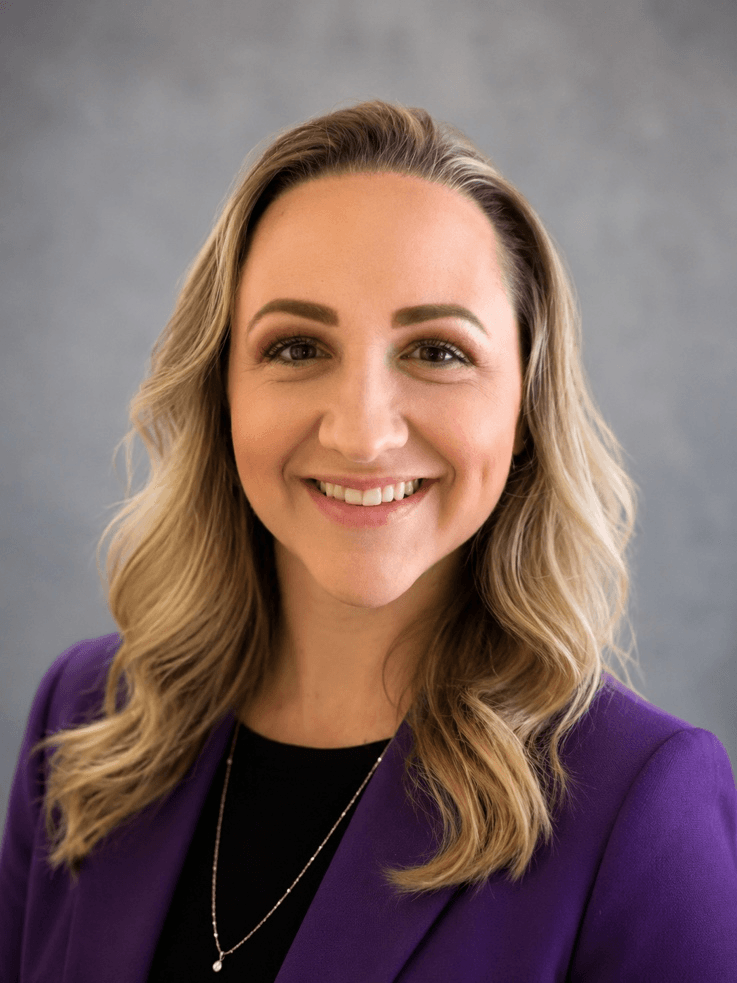
Dr. Vaun Williams
Changing direction can feel overwhelming and challenging. Often, people find themselves caught between wanting life to look different and feeling unsure, tired, guarded, or afraid. They may recognize that alcohol, drugs, or certain ways of living and coping are hurting them, yet still feel unable to move forward. The picture can become even more complex when anxiety, depression, or trauma are also present, and many people feel hesitant about what the process of change might involve or require.
This is where motivational interviewing can help. Motivational Interviewing, often called MI, is a compassionate, evidence-based counseling approach that helps people work through ambivalence and reconnect with their own reasons for change. It is not confrontational. Instead, it creates space for honesty, reflection, and forward momentum.
At Faithland Recovery Center, we understand that meaningful recovery rarely begins with shame or blame. It begins with being truly heard. We provide compassionate care, practical tools, and whole-person support, so people begin to feel more ready, more hopeful, and more able to take the next step toward healing.
A Spark for Change: Finding a Reason That Feels Real

Imagine Matt, age 35. He tells his therapist he is “fine” and does not think his drinking is a big issue. But as the conversation continues, he admits he has been missing work, arguing more with his wife, and feeling ashamed around his children. Part of him wants things to change. Another part says, “What is the point? I always end up back here.”
In therapy, he and his therapist do not argue about whether he “has a problem.” Instead, they slow the moment down and listen for what matters most to him.
Therapist: On one hand, drinking helps you switch off for a while. On the other hand, it sounds like it costs you.
Matt: Yeah. I hate that my kids see me like this.
Therapist: Sounds like that really matters to you.
Matt: It does. I want them to trust being around me.
Therapist: What do you think needs to happen for that trust to start growing again?
Matt: I guess I need to stop pretending I have the drinking under control.
Therapist: That is an honest place to begin.
This is part of what motivational interviewing offers: not pressure or judgment, but a guided conversation that helps people listen to themselves more clearly. At Faithland, we use this approach to help clients strengthen their internal motivation for change and begin moving toward it in a way that feels meaningful and sustainable.
What Is Motivational Interviewing?
MINT describe Motivational Interviewing as a collaborative, goal-oriented communication style designed to strengthen a person’s own motivation and commitment to change through acceptance, compassion, and their own reasons for change. MI helps people explore what they want, what feels hard, and why change is important to them. The clinician guides the conversation, but the reasons for change come from the client.
MI is especially helpful when people feel they are pulled in two directions at once, such as:
“I know this is hurting me, but I do not know if I am ready to stop.”
“I want treatment, but I am scared of what it means.”
“I want my life back, but part of me is still drawn to the familiar.”
Motivational interviewing often includes skills such as:
- Open questions
- Affirmations
- Reflective listening
- Summaries
It is a gentle exploration of the gap between a person’s current behavior and their deeper values or goals. This is empowering as it supports autonomy and self-efficacy.
In other words, MI helps people move from defensiveness or uncertainty toward clarity, readiness, and commitment to change.
A Brief History of Motivational Interviewing
Motivational interviewing grew out of the addiction treatment field. William R. Miller first described it in 1983, and the model was later developed further by Stephen Rollnick. Over time, MI expanded beyond substance use treatment and began to be used in mental health care, primary care, medication adherence, and other health behavior settings. Its roots in empathy, collaboration, and respect for autonomy remain central to how it is practiced today.
Motivational interviewing has been shown to help people become more engaged, more honest, more willing to consider change, and more ready to participate in the deeper work of recovery and healing. That can make a meaningful difference in both substance use and mental health care. MI is often integrated into a broader treatment plan alongside therapies such as CBT, rather than used on its own.
Are you concerned that you or a loved one may be feeling stuck, unsure, or resistant to change? Reach out to our team today.
Faithland’s Holistic Approach to Motivational Interviewing
Our approach honors the whole person: mind, body, spirit, environment, and relationships.
At Faithland, we use motivational interviewing to help people move from uncertainty toward greater clarity, readiness, and hope. It can help clients begin treatment, reconnect with what matters most, and take realistic steps toward healthier choices in everyday life. Because MI is compassionate and collaborative, rather than confrontational, it can be especially helpful when shame, fear, or discouragement are getting in the way. It is often used alongside other evidence-based therapies as part of a broader treatment plan.
Treatment Options at Faithland Where Motivational Interviewing May Be Used

In outpatient care, motivational interviewing can help clients:
- Clarify their goals for recovery
- Work through hesitation about treatment
- Strengthen commitment to healthier choices
- Stay engaged with therapy over time
Virtual Intensive Outpatient Therapy (VIOP)
For clients receiving care from home, MI can support:
- Honest conversations about readiness and resistance
- Greater accountability and follow-through
- More personalized goal-setting
- Engagement in both individual and group care
When someone has substance use and mental health concerns, motivation can become even more complex. In this situation, people often seek relief from anxiety, depression, trauma, or mood instability with substance use, and this leads to a coping pattern that makes everything harder. For this reason, MI can be especially useful in dual diagnosis care because it helps clients work with that complexity rather than denying it.
Building Tools for the Long Term
Motivational interviewing is not just about getting someone to say yes to treatment. It is about helping them build a stronger internal foundation for change. At Faithland, that may include learning to:
- Noticing ambivalence without shame
- Identifying personal reasons for change
- Connecting actions to deeper values
- Building confidence one step at a time
- Responding more honestly to setbacks
- Staying engaged with treatment when motivation rises and falls
There Is a Way Forward

You do not have to have everything figured out before reaching out. Change often begins with one honest conversation and a small opening toward building something better. At Faithland, we use compassionate, whole-person care to support people’s journey from feeling stuck toward hope, clarity, and lasting healing.
Take the first step toward clarity, motivation, and lasting healing. Speak With Us telephone link
Sources
- Emery RL, Wimmer M. Motivational Interviewing. StatPearls. Updated 2023.
- Motivational Interviewing Network of Trainers (MINT). Understanding Motivational Interviewing.
- Schwenker R, Dietrich MS, Weck F, Minozzi S, Sofuoglu M. Motivational interviewing for substance use reduction. Cochrane Database of Systematic Reviews. 2023.
- Rubak S, Sandbæk A, Lauritzen T, Christensen B. Motivational interviewing: a systematic review and meta-analysis. British Journal of General Practice. 2005.
Does Your Insurance Cover Mental Health?
We accept most insurances. Verify your insurance now.