
Trauma-Informed Care at Faithland Recovery Center
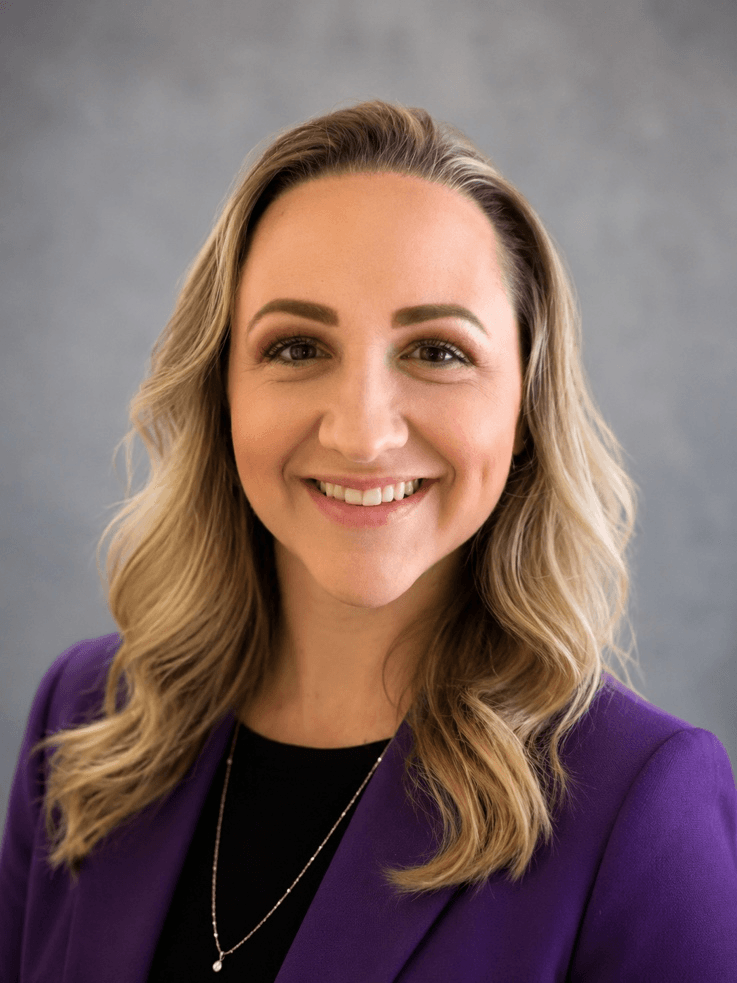
Dr. Vaun Williams
For many people, seeking treatment does not begin with a single problem; often, there is a long history of carrying too much. Some people arrive at therapy feeling anxious, shut down, reactive, ashamed, or exhausted. Others feel their body is always on alert, or certain memories, thoughts or emotions seem to take over daily life, but they may not describe it as trauma-based.
Trauma-Informed Care is an approach that helps people receive therapeutic support in safer, steadier, and more respectful ways. Rather than asking, “What is wrong with you?” trauma-informed care asks, “What happened to you?” and also makes room for, “What is resilient in you?” This shift in perspective matters because trauma can affect how people cope, relate, trust, regulate emotions, and engage in the treatment process.
At Faithland Recovery Center, trauma-informed care is not a separate service; it is a foundation of how we offer care and understand people. We recognize that recovery works better when people feel physically and emotionally safe, when trust is built gradually, and when treatment honors both pain and resilience. We encourage people to tell their story when they are ready in a space where healing feels safe and possible.
When Someone Has Learned to Stay Guarded

Imagine Mark, 44, an Army Vet. He misses appointments and gets defensive when asked direct questions. He says he is fine, even when he is clearly not coping. He may look resistant from the outside, but underneath that resistance is a nervous system that has learned to expect danger, disappointment, or shame around every corner.
In a trauma-informed setting, the response to Mark’s “difficult” behaviour changes. Instead of pushing harder, we slow things down. We pay attention to what helps a person feel safer. We explain what to expect and respect boundaries. We notice people’s strengths as well as symptoms.
A conversation might sound like this:
Therapist: We do not have to go into anything you are not ready to talk about today. Let’s start with what feels most important right now.
Mark: I just do not want to be pushed.
Therapist: That makes sense. We can go at a pace that feels manageable.
Mark: I can do that. I just need to know I have some control here.
Therapist: You do. We are always working together.
That kind of moment may seem simple, but it can be deeply important. Trauma-informed care recognizes that choice, collaboration, transparency, and emotional safety are not extras; they are essential parts of effective treatment.
What Is Trauma-Informed Care?
Trauma-informed care is a framework for delivering services with an understanding of how trauma can affect the brain, body, emotions, relationships, and daily functioning across a person’s lifespan. It recognizes that trauma exposure, both chronic and acute, is common and that people may carry its effects into their healthcare, mental health treatment, addiction recovery, and everyday life.
A trauma-informed approach seeks to:
- realize the widespread impact of trauma and understand paths for recovery
- recognize the signs and symptoms of trauma in clients, families, and staff
- integrate knowledge about trauma into policies, procedures, and clinical practice
- actively avoid re-traumatization
This means trauma-informed care is not just about therapists using sensitive language in sessions; it is about the wider environment. The way people are treated upon arrival and how intake is handled. The clarity of communication, the tone of interactions, the sense of privacy and predictability, and the respect shown to every person.
Core Principles of Trauma-Informed Care
Across major trauma-informed care frameworks, several principles are core. These include safety, trustworthiness and transparency, peer support, collaboration, empowerment and choice, and responsiveness to cultural, historical, and gender-related experiences.
At Faithland, these principles help shape the spirit of care we provide:
- Safety
People need to feel physically and emotionally safe enough to begin healing. - Trust and transparency
Clear communication helps reduce fear, confusion, and powerlessness. - Collaboration
Treatment is not something done to a person. It is a process built together. - Empowerment and choice
Recovery grows when people feel their strengths are seen, and their voice matters. - Humility and responsiveness
Each person brings a history, culture, context, and set of survival strategies that deserve respect.
Why Trauma-Informed Care Matters in Mental Health and Recovery
Trauma and substance use often overlap. For some, alcohol or drugs become a way to numb intrusive memories, reduce anxiety, soften shame, or simply get through the day. For others, trauma may exist underneath depression, panic, emotional dysregulation, disconnection, or patterns of self-protection that make getting close to people feel risky.
Trauma-informed care does not assume every symptom comes from trauma, and it does not reduce a person to their past. What it does do is help therapists and staff respond with greater care, accuracy, and respect. It can support stronger engagement in treatment, more trust between client and provider, and a lower risk of repeating experiences that feel coercive, shaming, or overwhelming.
For many people, that shift helps treatment feel more human. Instead of feeling judged for coping strategies that developed under stress, they can begin to understand that those strategies served a purpose, and healthier ones can be developed over time.
Looking for care that feels safe, respectful, and genuinely supportive? Reach out to our team today.
Faithland’s Holistic Approach to Trauma-Informed Care
At Faithland, trauma-informed care supports the whole person: mind, body, spirit, relationships, and environment.
This means we pay attention not only to symptoms, but also to the conditions that help healing happen. We understand that when someone has lived through overwhelming experiences, trust may take time to develop. We focus on providing steadiness, clarity, collaboration, and practical support throughout the healing journey.
A trauma-informed approach may include:
- helping clients understand stress responses and triggers
- creating more predictability in the treatment process
- supporting emotional regulation and grounding skills
- respecting pace and boundaries
- building on resilience, strengths, and personal values
- using therapies in a way that feels attuned rather than overwhelming
Treatment Options at Faithland Where Trauma-Informed Care Is Important

In individual therapy, trauma-informed care can help create a space where clients feel safer to explore patterns, triggers, emotions, and past experiences without pressure or judgment. Approaches such as CBT, DBT, and mindfulness-based therapy can all be offered within a trauma-informed frame, with attention to pacing, regulation, and choice.
In outpatient care, trauma-informed principles support consistency, trust-building, and practical recovery work while clients remain connected to their daily lives.
For clients receiving care from home, trauma-informed practice is still important. Clear expectations, collaborative pacing, and emotional safety remain important in virtual care, too.
When trauma, substance use, anxiety, depression, or other mental health challenges overlap, care needs to be thoughtful and well-integrated. Trauma-informed care helps clinicians respond to that complexity without oversimplifying it.
Veterans often present to services carrying the effects of combat stress, trauma, loss, hypervigilance, or difficulty readjusting to civilian life. Trauma-informed care helps treatment feel safer, more respectful, and better attuned to these experiences. In addiction recovery, this can be especially important, supporting veterans with trust-building, emotional regulation, and care that works at each person’s pace.
A Safe Place To Heal

Trauma-informed care does not promise a quick fix, and it does not ask people to open up before they are ready. It offers something more grounded. It is care that understands the effects of overwhelm, respects the need for safety, and makes space for healing at each person’s pace.
At Faithland Recovery Center, we believe people do better when they are met with compassion, clarity, and dignity. When care feels safe, people often stay more engaged, build trust faster, and can begin the deeper work of recovery more easily. Healing takes time, and the path is winding. Feeling seen and understood is a key part of recovery.
Take the first step toward safe, compassionate, trauma-informed healing.
Sources
- Center for Health Care Strategies. What Is Trauma-Informed Care? Trauma-Informed Care Implementation Resource Center.
- Yadav G, McNamara S, Gunturu S. Trauma-Informed Therapy. In: StatPearls [Internet]. Treasure Island (FL): StatPearls Publishing; 2026 Jan–. Last updated August 16. Available from NCBI Bookshelf.
- Roberts VN, Hutchinson AM, Fiolet RL. The Impact of Trauma-Informed Care on Patient Engagement, Experience and Barriers to Care. 2025. It reports improved accessibility to care, better engagement, and more positive patient experiences.
Does Your Insurance Cover Mental Health?
We accept most insurances. Verify your insurance now.