
ADHD Treatment at Faithland Recovery Center
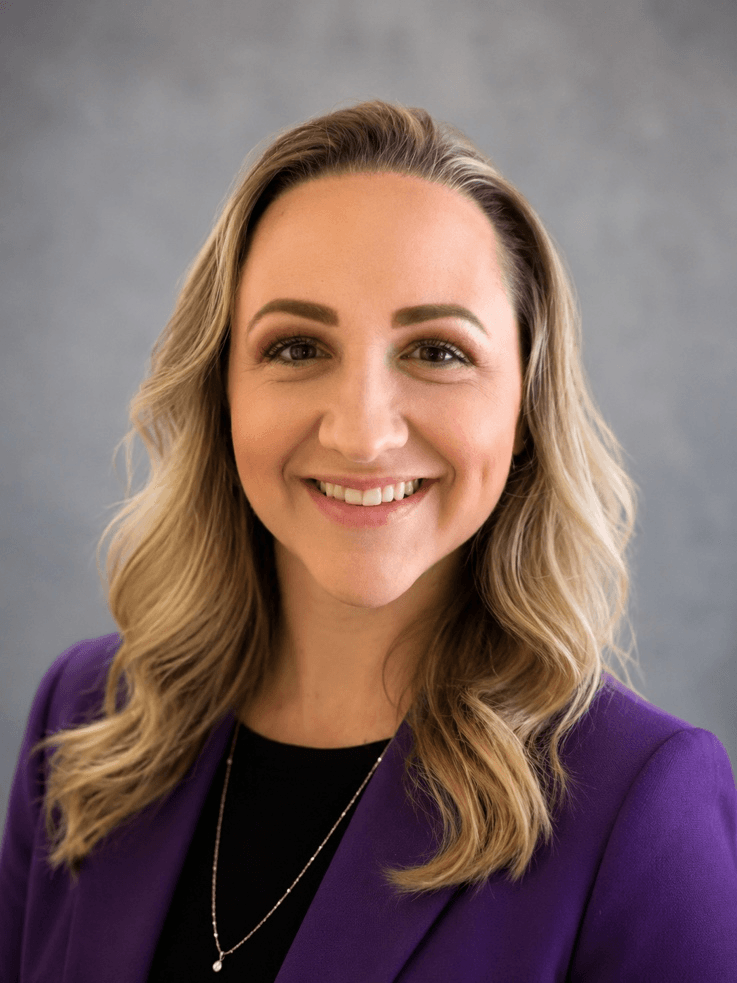
Dr. Vaun Williams
Attention-deficit/hyperactivity disorder (ADHD) is not about being “hyper,” messy, or unmotivated. It is a real neurodevelopmental condition that can affect attention, organization, impulse control, follow-through, and emotional regulation from childhood into adulthood. For some people, it looks like restlessness and impulsive decisions. For others, it shows up as chronic overwhelm, missed details, unfinished tasks, time blindness, or feeling like life is always just a little harder than it should be.
It is common for people to live with ADHD for years without realizing it or being diagnosed. Instead, they may think they are lazy, inconsistent, careless, or not competent at life. Over time, that misunderstanding can take a toll on self-esteem, relationships, work, and overall mental health.
At Faithland Recovery Center, we are experienced in treating ADHD with compassion and support. With the right, holistic care, people can build more structure, steadiness, and confidence in daily life.
A Moment of Insight: “Why Can’t Get It Together?”

Imagine Nicole, a 32-year-old woman who keeps telling herself she needs to “try harder.” Her house is half-organised, her work inbox is overflowing, she starts five things and half-finishes one. She feels embarrassed by how difficult ordinary life seems. She has also started drinking more in the evenings because by the end of the day, her mind feels too busy.
In therapy, she says:
Nicole: “I know what I need to do. I just don’t do it. Then I panic, avoid it, and hate myself for it.”
Her therapist gently helps her reframe the pattern.
Therapist: “What if this isn’t avoidance? What if your brain struggles with planning, sequencing, and regulation, especially under stress?”
Nicole: “That makes sense, it’s better than what I tell myself.”
Therapist: “Then we stop the negative self-talk and shame. We instead build support.”
That shift matters. Many adults with ADHD have spent years blaming themselves for symptoms they did not understand. Once the pattern is recognized, treatment can become more practical, more compassionate, and far more effective.
What ADHD Looks Like in Adults
ADHD in adults is not always easy to diagnose. It may look like:
- trouble focusing or finishing tasks
- disorganization and forgetfulness
- losing things often
- chronic lateness or poor time management
- procrastination and avoidance
- impulsive decisions
- frustration, overwhelm, or emotional reactivity
- difficulty managing work, relationships, money, or routines
Some people struggle more with inattention, and others more with impulsivity or restlessness. Many people experience both. Whatever the pattern, ADHD can interfere with daily functioning and leave people feeling constantly behind in their goals.
Wondering whether ADHD may be affecting you or someone you love? Start a conversation with our team today.
ADHD, Addiction, and Other Mental Health Concerns
ADHD often overlaps with other challenges, including anxiety, depression, trauma, and substance use. When ADHD is left untreated, people often feel chronically overwhelmed, ashamed, underproductive, or emotionally exhausted. Some turn to alcohol or drugs to slow the mind, improve focus, calm distress, or cope with feelings of failing in important areas.
This combination matters as substance use can worsen ADHD symptoms, and ADHD can make it harder to manage impulses, routines, and emotional stress. That is one reason integrated treatment is so important. When all these factors are addressed together, people often have a stronger foundation for recovery.
Faithland’s Approach to ADHD Treatment
At Faithland, we look at the full picture of someone’s life. ADHD does not just affect attention; it can shape self-esteem, routines, relationships, emotional regulation, and recovery. Our approach is compassionate, holistic, and practical.
Therapy and Skill Building
Treatment may include evidence-based therapies that help clients understand their patterns, reduce shame, and build a combination of tools that work in real life.
This may include:
- Cognitive Behavioral Therapy (CBT) to address negative thought patterns, procrastination, and follow-through
- DBT-informed skills to support impulse control, emotional regulation, and frustration tolerance
- Psychoeducation to help people understand ADHD more clearly
- Practical skill building around routines, prioritizing, breaking tasks down, and creating structure
Whole-Person Support
ADHD symptoms are often made worse by poor sleep, high stress, overstimulation, and lack of structure. This is why part of the treatment may involve strengthening the foundations that support the nervous system and daily functioning, such as sleep, movement, meal routines, and setting up calmer environments.
Many people with ADHD also carry deep discouragement from years of blaming themselves and being misread by others.
Treatment Options for ADHD at Faithland

Outpatient care can help people who need support to understand ADHD, build practical systems, and address co-occurring concerns such as anxiety, depression, trauma, or substance use.
For those who need more support and structure while remaining at home, our Virtual IOP may provide a stronger level of care through online therapy and skills-based treatment.
Medication Management
For some people, medication can be an important part of ADHD treatment. When considered appropriate, it may be part of a broader care plan that also includes therapy, behavioral support, and attention to co-occurring conditions. This is especially important when there is a history of substance misuse or other mental health concerns, NIMH.
Useful Tools for Daily Life With ADHD
Managing ADHD is not about becoming perfectly organized all the time. It is more about creating systems that reduce friction and make everyday tasks and life easier to manage.
Advanced Psychiatry Associates‘ strategies include:
- Use a day planner or digital calendar to track appointments, deadlines, and reminders
- Schedule organization as a task instead of waiting until you “feel like it”
- Create a home for important items like keys, wallet, glasses, or paperwork
- Use labels or color coding to make everyday systems easier to follow
- Break large tasks into smaller steps so they feel more doable
- Use reminders, alarms, and prompts instead of relying on memory alone
- Reduce distractions where possible by simplifying visual clutter and limiting interruptions
These tools may seem small, but over time, they create more consistency, less chaos, and a stronger sense of being on top of things.
There Is a Way Forward

Living with ADHD can be exhausting, especially when it has gone unrecognized for many years. But ADHD is treatable. With the right support, people can learn to work with their brain more effectively, strengthen daily routines, improve emotional regulation, and address related mental health or substance use concerns.
At Faithland, we believe healing begins when people are met with clarity, dignity, and support. You do not have to keep struggling alone.
At Faithland Recovery Center, we offer group therapy as part of compassionate, evidence-based care for people facing mental health challenges, substance use, trauma, or a combination. Whether you feel overwhelmed, shut down, isolated, or simply tired of trying to carry everything all alone, support is available.
Take the first step toward greater clarity and support. Speak with our team today. Speak With Us
Sources
- National Institute of Mental Health (NIMH). Attention-Deficit/Hyperactivity Disorder (ADHD).
- National Institute of Mental Health (NIMH). ADHD: What You Need to Know.
- Centers for Disease Control and Prevention (CDC).Treatment of ADHD.
- CHADD. ADHD and Co-Occurring Conditions.
- Advanced Psychiatry Associates. Strategies for Adults Living With ADHD.
Does Your Insurance Cover Mental Health?
We accept most insurances. Verify your insurance now.