
Heroin Addiction Recovery at Faithland
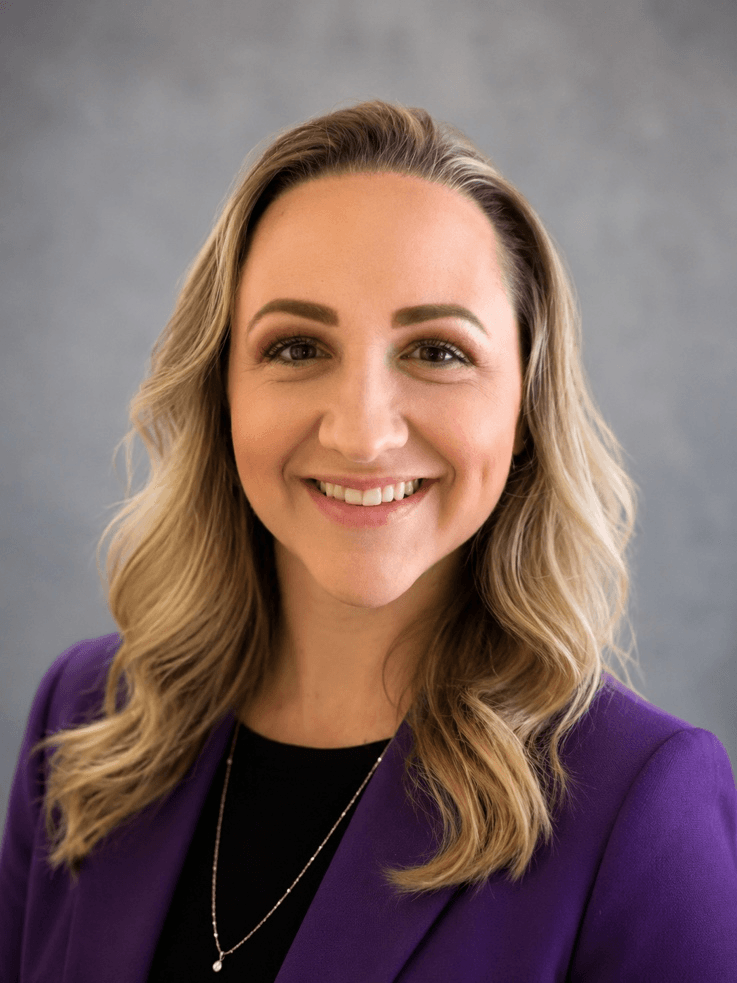
Dr. Vaun Williams
Understanding Heroin Addiction
Heroin is a highly addictive, illegal opioid made from morphine, which is extracted from the seed pod of some poppy plants. It can appear as a white or brown powder, or as a sticky black substance, called black tar heroin. As with other opioids, heroin affects opioid receptors in the brain and body, producing pain relief, feelings of well-being, and euphoria.
Based on the 2024 National Survey on Drug Use and Health (NSDUH), 556,000 people aged 12 and older in the United States reported heroin use in the past year. Because heroin strongly activates the brain’s reward system via dopamine release, repeated use can quickly lead to tolerance, physical dependence, and opioid use disorder. Some people develop heroin use after misusing prescription opioids. For others, it begins socially or during periods of emotional distress. NIDA.
At Faithland Recovery Center, we support recovery through a compassionate, evidence-based approach that addresses the physical, emotional, psychological, and spiritual dimensions of a healing journey. You don’t have to face this alone. We are here for you and for loved ones with a struggling family member. Recovery starts by taking the first step.
Family Safety During a Heroin Overdose: What To Do Right Away
If you suspect a heroin overdose situation, act immediately. A fast, calm response can save someone’s life. CDC.
- Call 911 immediately. If you are outside the U.S., call your local emergency number.
- Give naloxone right away if it is available.
- Try to wake the person by calling their name and using a firm sternum rub.
- If they are not breathing or their breathing is very weak, begin rescue breathing or CPR if you are trained.
- If they are breathing but unresponsive, place them in the recovery position on their side.
- Stay with them until emergency responders arrive, because naloxone can wear off before the opioid does.
Possible signs of opioid overdose include:
- slow, shallow, or stopped breathing
- blue, gray, or purple lips or fingernails
- pinpoint pupils
- inability to wake the person
- limp body
- gurgling, choking, or snoring sounds
Families and caregivers need to know where naloxone is kept, how to use it, and to designate a person to call for help in an emergency. It’s advisable to learn the signs of a possible overdose and how to administer life-saving services until emergency medical help arrives.
If you are worried that someone you love is using heroin, preparing for overdose safety does not mean you are giving up on them. It is a practical, life-protecting phase while working toward treatment and long-term recovery.
Worried About Yourself or a Loved One?
Insurance FAQs
At Faithland, we accept most PPO insurance. Please call us or complete the insurance verification form via the link below to verify your insurance.
Unable to call? Fill out the form below and a specialist will contact you as soon as possible!
What Is Heroin and How Does It Affect the Body?
Once heroin enters the brain, it is rapidly converted back into morphine and binds to opioid receptors, especially in areas involved in pain, reward, breathing, and heart rate.
For this reason, heroin can produce an intense rush and a sense of relief or numbness, while also creating serious risks such as slowed breathing, impaired judgment, overdose, and addiction. NIDA.
Heroin use can affect a person in several ways:
- Short-term effects may include euphoria, drowsiness, nausea, clouded thinking, and slowed breathing.
- Repeated use can lead to tolerance, meaning people need more to feel the same effect.
- Physical dependence may develop, so stopping suddenly can trigger painful and distressing withdrawal symptoms.
- Long-term use can affect physical health, mental health, decision-making, relationships, and overall life stability.
How Heroin Dependence Develops
Heroin dependence often develops through a cycle of relief, craving, withdrawal and relief again. It’s common for occasional use to quickly shift from getting high to not getting sick, keeping the cycle looping.
- A person may begin using heroin to feel euphoria, numb emotional pain, or avoid withdrawal from other opioids.
- As tolerance builds, the amount used often needs to increase.
- When the drug wears off, withdrawal can begin quickly, creating anxiety, body pain, nausea, sweating, and then intense craving.
- Over time, the person may use less for pleasure and more to avoid feeling sick, overwhelmed, or unable to cope.
Heroin is a treatable medical condition, not a moral failure. At Faithland, we provide professional care, ongoing support, and a recovery plan tailored to each person.
Signs and Symptoms of Heroin Addiction

Recognizing the signs of heroin use early can reduce the risk of overdose and other serious consequences. NIDA.
Physical Signs
- drowsiness or “nodding off”
- pinpoint pupils
- slowed breathing
- track marks, skin infections, or frequent unexplained bruising
- weight loss, constipation, nausea, or itching
- withdrawal symptoms such as sweating, chills, muscle aches, vomiting, or diarrhea
Emotional and Cognitive Signs
- mood swings, irritability, anxiety, or depression
- strong cravings or obsessive focus on getting and using heroin
- difficulty concentrating or seeming mentally foggy
- loss of motivation, interest, or emotional presence
Behavioral Signs
- secrecy, isolation, or sudden changes in routine
- financial problems, missing valuables, or unexplained borrowing
- neglecting responsibilities at work, school, or home
- continuing to use despite obvious harm
- risky use such as injecting, mixing substances, or using alone
If you or a loved one cannot stop using without withdrawal, keeps returning to use after trying to quit, or is taking increasing risks, it is vital to seek professional treatment.
You Are Not Alone. Learn About Your Options.
The Risks of Heroin Use and Overdose
Heroin carries a high risk of overdose because it can slow or stop breathing. The risk increases further when heroin is mixed with fentanyl, alcohol, benzodiazepines, or other sedating substances. Chronic use comes with other medical complications and risks. NIDA.
Health and Safety Risks
- respiratory depression and overdose
- collapsed veins, abscesses, or injection-related infections
- increased risk of hepatitis or HIV when needles are shared
- depression, anxiety, trauma worsening, and impaired judgment
- accidents, legal problems, and relationship breakdown
Heroin Withdrawal and Why Support Matters
Heroin withdrawal is often not deadly on its own, but it can be intense enough to drive a person to rapidly return to using. This becomes especially dangerous because tolerance may drop after even a short period without opioids, increasing overdose risk if the person returns to the same amount they used before Medlineplus.
Common withdrawal symptoms can include:
- restlessness, anxiety, and agitation
- muscle aches and bone pain
- sweating, chills, and goosebumps
- insomnia
- nausea, vomiting, diarrhea, and abdominal cramping
- strong cravings
Medical support makes withdrawal safer, more manageable, and more likely to lead to lasting treatment rather than another cycle of relapse.
Treatment for Heroin Addiction at Faithland

Our approach addresses the physical realities of heroin dependence and works to understand the deeper emotional and spiritual pain that often drives addiction. Treatment may include:
The FDA recognizes three approved medications for opioid use disorder: buprenorphine, methadone, and naltrexone. These medications are considered safe and effective when used appropriately.
They may help:
- reduce cravings
- ease withdrawal symptoms
- lower the risk of relapse and overdose
- stabilize recovery enough for therapy and daily functioning
2. Outpatient Treatment at Faithland
Outpatient treatment can support individuals who do not need 24/7 supervision but still require tailored and structured care.
This may include:
- individual counseling
- group therapy
- relapse prevention planning
- education and accountability
- practical support for rebuilding daily life
Faithland can position outpatient care as part of a continuum: OP, IOP, and PHP-level support, depending on clinical needs.
3. Virtual Intensive Outpatient Program (VIOP)
Virtual care allows clients to access intensive treatment from home through secure online sessions. This can be especially helpful for people balancing work, parenting, transportation barriers, or privacy concerns.
4. Residential Treatment Programs (External Partners)
For some people, a structured residential setting is the safest and most stabilizing first step. Residential treatment can provide:
- round-the-clock support
- medication management
- daily therapy
- separation from active triggers
Talk with us about which treatment option may be right for you.
Many people struggling with heroin addiction also live with:
- depression
- anxiety
- PTSD or unresolved trauma
- grief
- chronic pain
- other mental health concerns
Treating both substance use and co-occurring mental health conditions is essential for sustainable recovery.
6. Evidence-Based Therapies
Faithland may incorporate evidence-based therapies such as:
- Cognitive Behavioral Therapy (CBT)
- Dialectical Behavior Therapy (DBT)
- Trauma-informed Therapies
- Mindfulness-based approaches
- Group Counseling
- Peer Support
These therapies, and combinations, can help clients understand triggers, regulate emotions, build coping skills, repair relationships, and strengthen recovery habits.
Recovery Starts with a Safe First Step
You do not have to do this alone.
No matter how heavy things feel right now, recovery is possible. You do not need everything figured out to begin the journey. At Faithland, we’re here to help you take that first step with support, dignity, and care that meets you where you are while honoring the whole person.
Sources
- NIDA: Heroin Research Report:
- Addition Policy Reform: Over 48 Million People Have a Diagnosable Substance Use Disorder in the United States
- CDC: Lifesaving Naloxone.
- CDC (PDF) Responding to a Suspected Opioid Overdose:
- FDA: Information about Medications for Opioid Use Disorder (MOUD)
- MEDLINEPLUS: Opiate and opioid withdrawal:
Does Your Insurance Cover Mental Health?
We accept most insurances. Verify your insurance now.