
Borderline Personality Disorder Treatment at Faithland Recovery Center
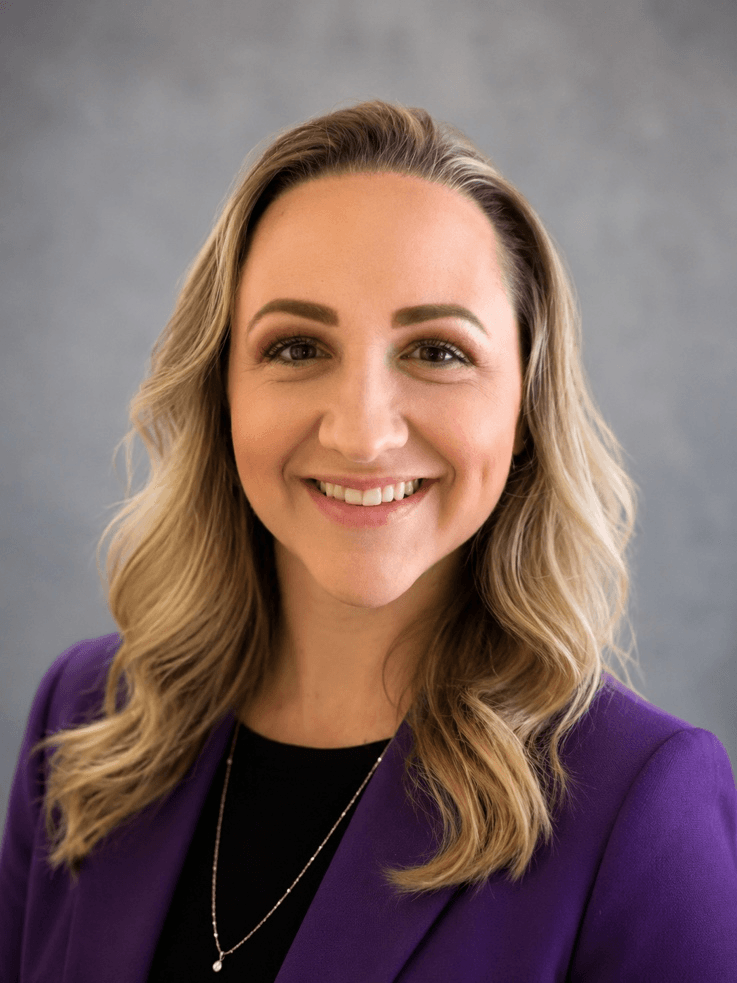
Dr. Vaun Williams
Borderline personality disorder (BPD) can make life feel overwhelming and profoundly exhausting. It is common to deeply long for closeness but fear being abandoned. People’s emotions change quickly, life feels emotionally intense, and relationships are often painful. At times, even someone’s sense of self can feel unsteady. Impulsivity, self-harm, and severe emotional dysregulation are some key features, according to NIMH.
At Faithland Recovery Center, we provide compassionate care, practical tools, and whole-person support that help many people experience fewer symptoms, stronger relationships, improved daily functioning, and renewed hope for the future.
A Moment of Regulation: Slowing the Emotional Wave

Imagine Anna, age 24. She had sent a text to someone she cares about and did not receive a reply for three hours. Within minutes, her thoughts spiralled:
“They’re pulling away.”
“I knew this would happen.”
“I shouldn’t have trusted them.”
“I can’t stand this.”
Her chest tightened. She felt panicky, angry, and ashamed. Then came a strong urge to send multiple messages or numb the distress with alcohol.
Later, in therapy, Anna and her therapist return to the moment together. They slow it down and use it to practice a DBT skill she can draw on the next time something similar happens: STOP.
Therapist: Let’s go back to that moment before you reacted. Imagine you are in it now. Before acting, let’s slow it down with STOP.
Anna: It feels overwhelming, not like I can slow down.
Therapist: I know. That’s why we practice. First step: Stop. Don’t hit send yet.
Anna: Okay.
Therapist: Next: Take a moment. One breath in. One breath out. Put the phone down.
Anna: My body still feels like it’s buzzing.
Therapist: That makes sense. Now Observe. What are you feeling?
Anna: Fear. Anger. And this feeling that I’m about to be abandoned.
Therapist: Good, keep noticing. Now Proceed mindfully. What action might help, rather than harm, the situation?
Anna: Maybe wait. Drink some water. Go outside. Ask myself if I know for sure what this means.
Therapist: Exactly. The feeling is real. The story may not be.
This is part of what DBT offers: not judgment or shame, but practical skills that can be practiced in therapy and used in everyday life when emotions begin to feel overwhelming. At Faithland, we help clients build these skills step by step, with support, repetition, and compassion.
What Is Borderline Personality Disorder?
Borderline personality disorder is a serious mental health condition that affects how a person relates to themselves and others. Symptoms can vary from person to person, but the emotional intensity is often very real and disruptive to daily life.
People with BPD may experience:
- intense mood swings that can shift over hours or days
- strong fears of abandonment or rejection
- unstable or conflict-filled relationships
- chronic emptiness
- anger that feels hard to control
- impulsive behaviors
- dissociation or feeling disconnected from self or surroundings
- Self-harming behavior, such as cutting
- Recurring thoughts of suicide, threats of suicide, or suicidal behaviors
BPD has usually been diagnosed in late adolescence or early adulthood; however, a recent review outlines evidence that the disorder can present at an earlier age, with symptoms escalating during adolescence. In the general adult population, lifetime prevalence has been reported at roughly 0.7% to 2.7%, though rates are much higher in treatment settings, including about 12% in outpatient and 22% in inpatient psychiatric services.
How does Borderline Personality Disorder Develop?
A recent comprehensive review points to the central role of genetic vulnerability and environmental stressors, especially difficult or traumatic relational experiences, and possibly brain-based differences in emotion and impulse regulation. Many people with BPD report experiencing childhood adversity such as neglect, abuse, invalidation, abandonment, or chronic interpersonal instability, but not everyone with BPD has the same history.
For many people, BPD makes most sense when understood through an emotion-regulation lens: a highly sensitive nervous system, painful life experiences, and limited access to safe tools for managing overwhelming feelings. DBT can be very effective because it gives people practical ways to feel, pause, regulate, and choose.
Borderline Personality Disorder, Addiction, and Other Mental Health Concerns
BPD commonly overlaps with depression, anxiety disorders, PTSD, eating disorders, bipolar-spectrum disorders, ADHD-related traits, and substance use disorders. This can complicate the diagnosis and treatment process, especially when symptoms overlap, NIMH.
Substance use is especially important, as some people use alcohol, drugs, or medications to numb painful emotions, reduce panic, quiet inner emptiness, or cope with relationship pain. In the short term, that may offer relief, but in the long term, it often worsens impulsivity, mood instability and shame, as well as treatment disruption. Substance use is especially important to assess. A large national study found that 50.7% of people with lifetime BPD also met criteria for a substance use disorder within the previous 12 months, and longitudinal research has found that 62% of patients with BPD met criteria for a substance use disorder at the beginning of the study.
That is why at Faithland, we emphasize dual diagnosis care and integrated care can help reduce relapse risk, improve emotional stability, and create a more sustainable recovery path.
Are you concerned that you or a loved one may be living with borderline personality disorder? Begin a conversation with our team today.
Faithland’s Holistic Approach to Treating Borderline Personality Disorder
Our approach honors the whole person: mind, body, spirit, environment, and relationships.
1. Mind: DBT and Other Evidence-Based Therapies
Dialectical Behavior Therapy (DBT) is one of the best-studied treatments for borderline personality disorder and was developed specifically for people who experience intense emotions, self-destructive urges, and unstable relationships. DBT balances two truths at once: acceptance and change. Research reviews show DBT can reduce self-harm and suicidality, and can also improve depression, impulsivity, mood instability, and hospitalization rates.
DBT-informed treatment often includes work in four broad skill areas:
- Mindfulness: noticing thoughts, feelings, urges, and body cues without immediately reacting
- Distress tolerance: getting through painful moments without making them worse
- Emotion regulation: understanding emotions and responding more effectively
- Interpersonal effectiveness: asking for what you need, setting boundaries, and navigating conflict more skillfully
Depending on a client’s needs, care may also include CBT-informed work, trauma-informed therapy, relapse prevention, psychoeducation, and family support.
2. Body: Rebuilding the Physical Foundations of Regulation
When emotions feel intense, the body is usually involved too. Sleep disruption, substance use, skipped meals, chronic stress, and physiological overload can all make regulation harder.
At Faithland, we support:
- more regular sleep and wake rhythms
- nourishing, consistent meals
- hydration and reduced physiological chaos
- grounding, breath work, and body-based calming tools
- gentle movement when appropriate
These are supportive foundations that can make therapeutic skills easier to access and practice. Evidence in nutritional psychiatry is still evolving, but broader mental health literature suggests dietary and lifestyle interventions can complement psychotherapy and medical care rather than replace them.
3. Spirit: Meaning, Dignity, and Inner Worth
Many people with BPD carry deep shame. They may feel “too much,” unwanted, or fundamentally broken. Healing often includes reconnecting with something steadier than the emotional storm: dignity, purpose, values, faith, meaning, and hope.
At Faithland, we:
- offer optional spiritual counseling
- respect all faith backgrounds and levels of belief
- help clients reconnect with values and a sense of worth beyond crisis-driven identity
4. Environment: Safety, Structure, and Calm
People heal better in spaces that feel predictable, attuned, and emotionally safe.
Our setting is designed to support:
- calm over chaos
- structure without harshness
- emotional safety
- reflection, rest, and consistency
5. Relationships: Repairing Connection
BPD is often profoundly relational. Many clients are not only suffering from emotional regulation, but also how it affects closeness: conflict, rupture, clinging, withdrawal, fear of abandonment, and intense shame after the fact. DBT and related therapies can help people communicate more clearly, tolerate vulnerability, and respond more steadily in relationships. This is why family members and caregivers can benefit from learning skills that better support their loved one’s treatment.
When appropriate, and with consent, Faithland may involve loved ones through:
- family therapy
- psychoeducation
- guidance on validation, boundaries, and support
- relational skills work to reduce repeated cycles of conflict
Treatment Options for Borderline Personality Disorder at Faithland

Our outpatient program may include:
- individual therapy tailored to emotional regulation and recovery
- support for co-occurring trauma, depression, anxiety, or substance use
- DBT-informed tools clients can practice in real life
- a treatment plan built around stability, safety, and daily functioning
Virtual Intensive Outpatient Therapy (VIOP)
For clients who need more support while remaining at home, our VIOP can provide:
- online group and individual sessions
- more structure and accountability
- skills practice in the actual environment where triggers occur
- flexibility for work, caregiving, or other responsibilities
Medication Management (When Appropriate)
Medication is not considered first-line treatment for the core features of BPD; it may sometimes help with co-occurring symptoms such as depression, anxiety, mood instability, or sleep difficulties as part of a broader care plan.
Faithland can provide:
- psychiatric evaluation
- ongoing medication management
- coordination with other providers
- support for careful review of what is helping and what is not
There Is a Way Forward

Borderline personality disorder can make life feel chaotic, lonely, and painfully reactive. It often strains relationships, distorts self-worth, and leaves people feeling trapped in distressing cycles. But those patterns are not someone’s whole story.
With compassionate, holistic support and skilled treatment, many people begin to experience something they may not have felt in a long time: steadiness. An ability to pause before reacting. A little more clarity and self-respect. And more room to choose their pathway forward.
At Faithland, we believe healing is possible and that a life worth living can be put together one skill, one safe connection, and one step at a time.
Have questions about insurance coverage? Reach out to our team. We’re here to help.
A New Chapter of Healing at Faithland
We are passionate about this new residential program. It represents something important we want to offer: more room for deeper healing, more support for clients who need structure and safety, and more ways Faithland can walk alongside people facing addiction, trauma, and co-occurring mental health challenges.
For someone who feels worn down, overwhelmed, or stuck in unhelpful patterns they cannot change on their own, residential treatment offers a fresh pathway. And for veterans seeking trauma-informed care in a more intimate setting, Faithland’s new program may become a particularly meaningful option.
This is more than a new service; it is a new space for restoration, insight, empowerment, and hope.
Take the first step toward steadier emotions, healthier relationships, and lasting healing.
Sources
- National Institute of Mental Health. Borderline Personality Disorder. Revised 2025.
- Leichsenring F, Heim N, Leweke F, et al. Borderline personality disorder: a comprehensive review of diagnosis and clinical presentation, etiology, treatment, and current controversies. 2024.
- Hernandez-Bustamante M, Cjuno J, Hernández RM, Ponce-Meza JC. Efficacy of Dialectical Behavior Therapy in the Treatment of Borderline Personality Disorder: A Systematic Review of Randomized Controlled Trials. 2024.
- Trull TJ, Freeman LK, Vebares TJ, Choate AM, Helle AC, Wycoff AM. Borderline personality disorder and substance use disorders: an updated review. Borderline Personality Disorder and Emotional Dysregulation. 2018;5:15.
Does Your Insurance Cover Mental Health?
We accept most insurances. Verify your insurance now.