
OCD Treatment at Faithland Recovery Center
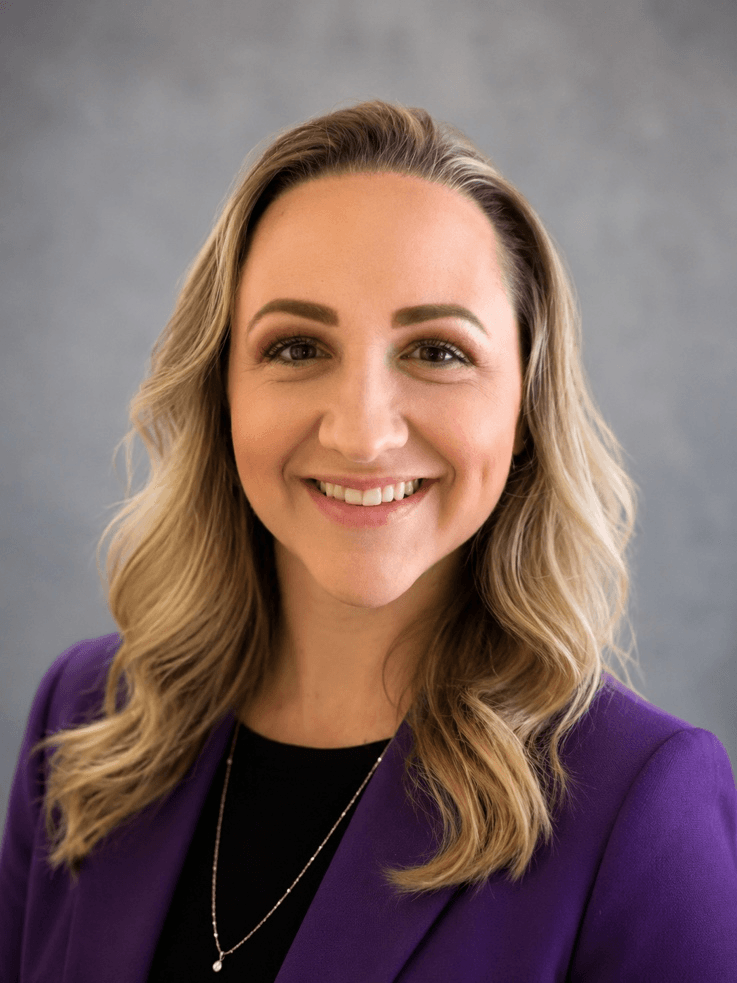
Dr. Vaun Williams
Understanding OCD
Obsessive-compulsive disorder (OCD) is a mental health condition that involves a person having recurring unwanted thoughts, urges, or images (obsessions), along with compulsive repetitive behaviors or mental rituals to lower anxiety or prevent an imagined bad event from happening. NIMH.
OCD affects about 1–2% of people in the United States. APS. It is not about someone being neat, organized, or overly careful. It adversely affects people’s day-to-day lives and can feel exhausting, distressing, and isolating. Many people with OCD know their fear does not fully make sense, but they still feel trapped in a cycle of anxiety, doubt, and compulsive rituals.
At Faithland Recovery Center, we understand OCD from a holistic perspective and offer the right support so that people can reduce the grip of obsessions and compulsions and feel freer in daily life.
What OCD Can Look Like
OCD affects people in different ways, but the pattern is similar: an intrusive thought creates distress, and a ritual or avoidance behavior brings temporary relief. That short relief then strengthens the cycle and makes it more likely to happen again.
Common obsessions may include:
- fear of contamination or germs
- fear of causing harm
- fear of making a mistake
- distress around uncertainty
- unwanted intrusive thoughts involving morality, religion, sex, or violence
- a strong need for things to feel “just right” mayoclinic.org
Common compulsions may include:
- repeated washing or cleaning
- checking locks, appliances, or messages
- counting, repeating, or arranging
- mental reviewing
- reassurance-seeking
avoiding triggers, people, or situations mayoclinic.org
Insurance FAQs
At Faithland, we accept most PPO insurance. Please call us or complete the insurance verification form via the link below to verify your insurance.
Unable to call? Fill out the form below and a specialist will contact you as soon as possible!
Signs You May Be Struggling with OCD
Emotional and Cognitive Signs
- recurring unwanted thoughts, images, or urges
- intense anxiety, guilt, dread, or disgust
- getting stuck in doubt or overthinking
- feeling unable to trust your own memory or judgment
- shame or confusion about your thoughts nimh.nih.gov
Behavioral Signs
- repeated checking, washing, arranging, or reviewing
- asking others for reassurance over and over
- avoiding situations that trigger anxiety
- spending excessive time on routines or rituals
- continuing behaviors even when they interfere with work, home, or relationships, psychiatry.org
Physical Signs
- tension or restlessness
- trouble sleeping
- fatigue from mental overwork
- headaches, stomach upset, or muscle tightness related to chronic stress mayoclinic.org
If these patterns feel familiar, or you have a family member struggling with these symptoms, reach out to Faithland for comprehensive and effective help.
You do not have to stay stuck in the cycle.
A Simple Exercise: Creating a Pause Before the Compulsion

One of the first goals in OCD treatment is to have a careful plan in place, not to force change all at once. What can be very helpful is to begin creating a small pause between the anxious thought and the compulsive response. This pause helps a person to start building a different relationship with the fear. This is part of the wider Cognitive Behavioral Therapy (CBT) approach. iocdf.org.
Here is a simple example:
A person notices the urge to check the door lock again.
Instead of immediately checking, they practice:
- Name the moment
“This may be an OCD urge.” - Notice the anxiety without reacting right away
“I feel nervous, but I do not need to solve this instantly.” - Delay the ritual briefly
Wait 30 seconds, 1 minute, or 2 minutes before acting. - Let the body settle slightly
Take one slower breath, relax the shoulders, and keep your feet grounded. - Choose a response on purpose
Rather than automatically obeying the urge, pause and ask: “Can I allow a little uncertainty here?”
This type of exercise may seem small, but it can be an important beginning in overcoming the grip of OCD. Over time, these pauses help weaken the ritual loop and support deeper therapeutic work.
At Faithland, we help clients practice these steps gradually with support. The goal is not perfection. It is building confidence and flexibility with the aim of relief over time.
OCD, Anxiety, and Daily Functioning
OCD often has a wider impact on people’s lives aside from the moments when a ritual is taking place. It drains time, energy, focus, and reduces emotional bandwidth. People may feel exhausted from constant mental reviewing, indecision, overwhelm and the need to feel certain about things before moving through their day.
OCD also often overlaps with other mental health conditions, including anxiety, depression, trauma, and at times, substance use. We work to treat these concerns together for a more effective and sustainable solution.
Treatment for OCD at Faithland

Faithland’s approach to OCD treatment involves compassionate, whole-person care. We support clients in addressing the thoughts, fears, behaviors, and stress patterns that keep OCD going, while taking into account the wider emotional and practical challenges that may come with it.
Evidence-Based Therapy
The most well-established therapy approach for OCD is Cognitive Behavioral Therapy (CBT) with Exposure and Response Prevention (ERP). ERP helps people gradually face feared thoughts or situations while reducing the compulsions that usually follow. It is considered a first-line treatment for OCD. psychiatry.org
Medication Support
For some people, medication can also be an important aspect of treatment, especially when symptoms are moderate to severe and/or significantly interfere with daily life. It is common for a combination of therapy and medication to be part of a comprehensive treatment plan. mayoclinic.org.
Whole-Person Support
At Faithland, we believe in an approach that looks at the whole person, including:
- support for anxiety and emotional regulation
- practical coping tools for daily life
- attention to sleep, stress, and overall stability
- treatment for co-occurring mental health or substance use concerns
- a supportive environment that helps clients practice change over time
Breaking free from the OCD Cycle
Recovering from OCD is not about never feeling anxious again. It is about learning new skills to respond differently to fear, uncertainty, and compulsive urges so you have more agency over how your day and life will go.
Over time, treatment can help people:
- recognize OCD patterns sooner
- reduce compulsive behaviors
- tolerate uncertainty more effectively
- rely less on reassurance
- feel more present and capable in daily life
With compassionate, tailored support and new evidence-based tools, many people find that the cycle loses its power and daily life becomes more manageable and enjoyable.
You Can Start with One Small Ste
OCD can make life feel ruled by fear, narrow, and repetitive. With holistic, compassionate care, that cycle can change, often beginning with one small pause, one new response, and one step toward a freer, more peaceful life.
Take the first step toward greater peace and freedom.
Sources
- National Institute of Mental Health (NIMH). Obsessive-Compulsive Disorder (OCD).
- American Psychiatric Association (APA). What Is Obsessive-Compulsive Disorder?
- International OCD Foundation (IOCDF). Exposure and Response Prevention (ERP).
- Mayo Clinic. Obsessive-compulsive disorder (OCD): Symptoms and causes.
- Mayo Clinic. Obsessive-compulsive disorder (OCD): Diagnosis and treatment.
Does Your Insurance Cover Mental Health?
We accept most insurances. Verify your insurance now.