
Mindfulness-Based Therapy At Faithland
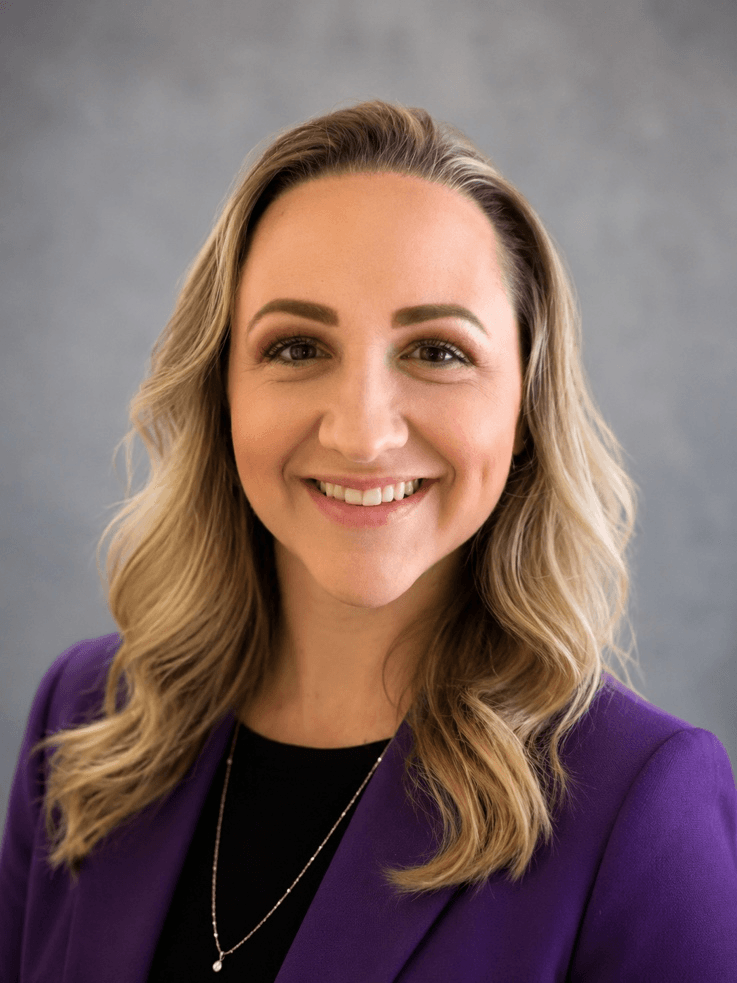
Dr. Vaun Williams
Mindfulness-based therapy, based on Buddhist meditation practices, helps people slow down and notice what is happening in their inner world without immediately reacting, shutting down, or trying to escape it. Learning mindfulness is not about asking someone to ignore pain or “just think positive,” rather it teaches present-moment awareness with openness, steadiness, and less judgment. At Faithland, mindfulness-based therapy can support people living with anxiety, depression, trauma, stress, and substance use by helping them build emotional regulation, distress tolerance, and a more grounded relationship with themselves.
Mindfulness practices are complementary and often used alongside approaches such as Cognitive Behavioral Therapy (CBT), Dialectical Behavior Therapy (DBT), relapse prevention, trauma-informed therapy, and medication management when needed.
A Brief History and Definition
Mindfulness-based therapy in modern healthcare is largely based on Mindfulness-Based Stress Reduction (MBSR), developed by Jon Kabat-Zinn at UMass in 1979. Later, Zindel Segal, Mark Williams, and John Teasdale constructed Mindfulness-Based Cognitive Therapy (MBCT) to help prevent relapse from depression by combining mindfulness practice with elements of cognitive therapy. Since then, mindfulness-based approaches have rapidly expanded into multiple areas of physical and mental health care.
In simple terms, mindfulness means paying attention, on purpose, to the present moment with greater awareness and less automatic judgment. In therapy, this may include learning to notice thoughts, urges, body sensations, emotions, and stress reactions without being instantly swept away by them. This can create a small but meaningful pause between feeling something and acting on it. APA.
What Mindfulness-Based Therapy Consists Of
Mindfulness-based therapy can include both formal and everyday practices. Formal practices include mindful breathing, body scan meditation, seated meditation, gentle mindful movement, or yoga. Every day or “informal” practices may include slowing down while eating, walking, cooking, showering, or washing dishes and deliberately bringing attention back to breath, sensation, sound, movement, and the present moment.
A mindfulness-based therapy plan helps people:
- remember that thoughts are not always facts
- notice early signs of stress or emotional activation
- tolerate difficult feelings without immediately reacting
- return attention to the body and breath
- respond more intentionally rather than automatically
- build steadier self-awareness in daily life
- focus attention on the breath and body
- notice patterns that contribute to distress
- bring mindful attention to everyday activities
A Simple Example: Mindfulness in Everyday Life
Imagine Mark, 45, who is in early addiction recovery. Often, when he comes home after a hard day, stress starts rising in his chest, his mind starts racing, and he gets the urge to go straight to an old coping habit — pouring a drink. Mindfulness-based skills help create a different sequence.
Instead of moving on autopilot, he stops in the kitchen, places both feet on the floor, and takes several slow belly breaths. He notices: My shoulders are tight. My jaw is clenched. My mind is loudly seeking relief. Then he keeps breathing while chopping vegetables for dinner, feeling his hand around the knife handle, noticing the smell of the food, the contact of his feet on the ground. The urge may not disappear instantly, but it often becomes more manageable as there is little more space to choose the next step more wisely.
An important part of mindfulness-based therapy is not pretending discomfort is pleasant, but learning that it can be observed, softened, and survived without always needing an immediate escape.
Where Mindfulness-Based Therapy Can Be Especially Useful
Anxiety, stress, and emotional overwhelm
Mindfulness-based practices have been found helpful for reducing anxiety, stress, and general psychological distress in many people. They can support nervous system regulation and help people notice spiraling thoughts earlier, before they build into panic, shutdown, or impulsive coping. APA.
Depression and relapse prevention
Mindfulness-Based Cognitive Therapy was specifically developed to help people vulnerable to recurrent depression. Evidence shows it can help reduce relapse risk, especially for people with repeated depressive episodes. Oxford.
Trauma-related symptoms
Mindfulness works to reduce trauma symptoms by strengthening present-moment anchoring, body awareness, and self-regulation. However, timing matters, for some people, especially those with severe trauma, mindfulness practices need to be introduced carefully alongside other trauma-focused supports so the person does not become overwhelmed. VA.
Substance use and addiction recovery
In addiction treatment, mindfulness-based interventions have shown promise as supportive tools for relapse prevention, craving management, and emotional regulation. Research in this area is growing. In Goldberg’s systematic review, evidence shows it may help some people relate differently to urges, stress, and automatic behaviors that often drive relapse.
Mindfulness-based therapy can help people notice their internal states earlier and practice staying with them safely, rather than always reacting with substance use or other harmful coping patterns.
You do not have to stay trapped in autopilot or old coping cycles.
How It Can Work Alongside CBT and DBT

Mindfulness-based therapy often fits naturally with CBT and DBT rather than competing with them. CBT helps people identify and challenge unhelpful thinking patterns. Mindfulness helps them notice those thoughts earlier and hold onto them less rigidly. DBT includes mindfulness as a core skill because it strengthens emotional regulation, distress tolerance, and wise responding under pressure.
Used in combination, these approaches can powerfully support healing. A person may first use mindfulness to slow down and observe what is happening, then use CBT to question distorted thinking, or DBT skills to tolerate the emotional wave without making the situation worse. Mindfulness is not just a calming exercise; it forms part of a broader treatment framework and helps people build healthier daily patterns and coping skills.
Mindfulness for Veterans in Recovery
For many veterans, recovery is not only about stopping alcohol or drug use. It is also about learning how to live with the effects of trauma, high stress, PTSD, depression, and the challenges of reintegration. This is why Faithland’s veterans program recognizes how mindfulness can be a helpful skill alongside trauma-informed therapy, EMDR, CBT, peer support, and group therapy.
Mindfulness-based therapy can help veterans become more aware of the body, breath, emotions, and triggers before stress turns into shutdown, impulsive reactions, or substance use. It is not about ignoring pain, but helping the mind and body feel safer, steadier, and more connected to the present.
In everyday life, this may look like using slow belly breathing before a hard conversation, grounding through a mindful walk, or noticing tension and racing thoughts early enough to reach for support before cravings build.
What Mindfulness-Based Therapy Can Look Like at Faithland

At Faithland, mindfulness-based therapy may include guided breathing, present-moment grounding, mindful movement, body awareness, and practical everyday mindfulness that clients can actually use in their daily life. The goal is not perfection, but becoming more present, less reactive, and better able to navigate life’s challenges.
For some people, mindfulness begins very simply: noticing one breath, one step, one meal, one urge, one emotion, one choice. Over time, simple daily mindfulness practices can strengthen recovery and help people build a life that feels calmer, more grounded, and more meaningful.
Healing does not always begin with a big breakthrough. Sometimes it starts with a pause, one breath and an honest conversation.
Sources
- American Psychological Association (APA). Mindfulness meditation: A research-proven way to reduce stress.
- National Center for Complementary and Integrative Health (NCCIH). Meditation and Mindfulness: Effectiveness and Safety.
- U.S. Department of Veterans Affairs. Mindfulness and PTSD: What does the research show?
- UMass Memorial Health Center for Mindfulness.
- University of Oxford, Mindfulness and Psychological Science Centre.
- Kabat-Zinn J. Full Catastrophe Living. New York: Delacorte; 1990.
- Segal ZV, Williams JMG, Teasdale JD. Mindfulness-Based Cognitive Therapy for Depression. 2nd ed. New York: Guilford Press; 2012.
- Goldberg SB, et al. Mindfulness-based interventions for substance use disorders. PMC.
Does Your Insurance Cover Mental Health?
We accept most insurances. Verify your insurance now.