
Group Therapy at Faithland Recovery Center
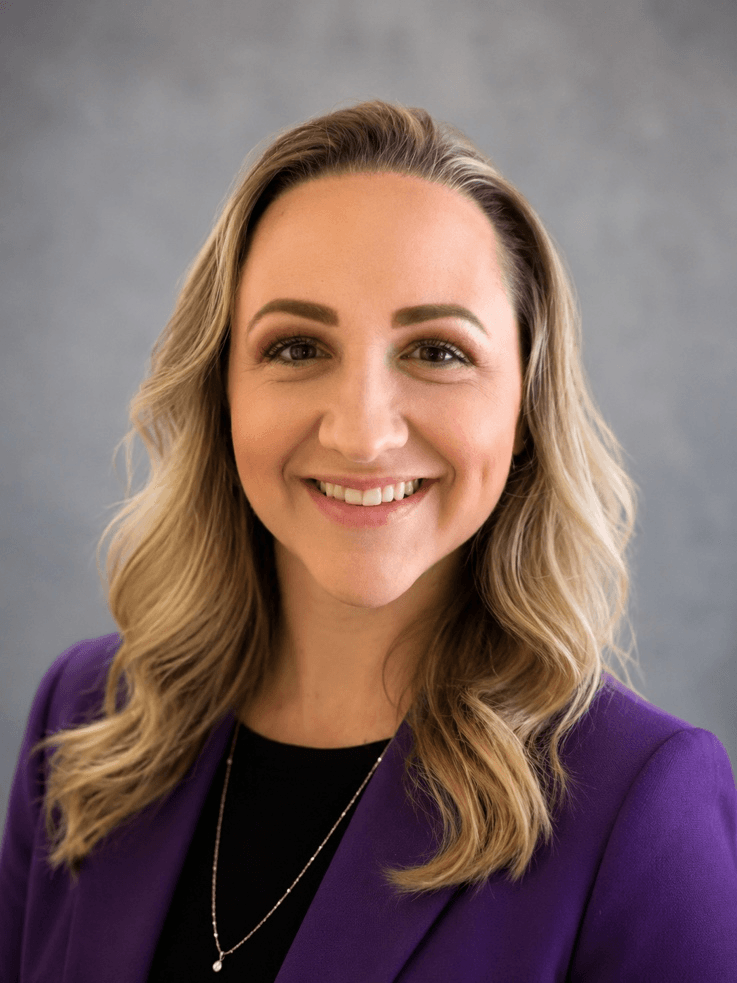
Dr. Vaun Williams
Many people arrive at treatment feeling isolated, guarded, or exhausted from struggling on their own for too long. Group therapy offers a safe, structured place to begin healing alongside others who are going through similar things. It can help people feel less alone while building practical tools and a clearer understanding of the patterns that keep them stuck.
At Faithland Recovery Center, group therapy is part of our whole-person care approach. We offer various clinical treatment groups designed to support mental health, recovery, emotional regulation, and deeper healing over time. For many clients, including veterans, group therapy can become an important place for learning, connection, accountability, and growth.
What Is Group Therapy?
Group therapy is a form of psychotherapy led by a trained clinician in a structured setting. Unlike informal support groups, clinical group therapy is designed with clear therapeutic goals. It helps people learn, reflect, build skills, and notice patterns that can be difficult to see on their own.
Some groups focus on understanding triggers, cravings, shame, avoidance, emotional overwhelm, or relapse patterns. Others focus more on practical tools such as mindfulness, emotional regulation, distress tolerance, communication, and healthier responses under stress. In a well-led group, people learn from the clinician and from hearing others put familiar experiences into words, while practising healthier ways of relating in real time, APA.
What Group Therapy Helps With
Group therapy can support people who are dealing with a wide range of mental health and recovery concerns. In treatment settings, groups are often used for psychoeducation, relapse prevention, coping skills, emotional regulation, and learning healthier patterns in daily life and relationships.
It can also help strengthen self-awareness, communication, problem-solving, and provide a greater sense of stability and community connection.
Looking for group support in recovery and mental health care? Reach out to Faithland today.
What Group Therapy Looks Like at Faithland
At Faithland, group therapy is part of our holistic, evidence-based approach to treatment and recovery.
In our program, for the first 30 to 45 days, the focus of our groups is on early recovery, emotional awareness, coping skills, accountability, and building a stronger foundation. As treatment progresses, clients may move into a later phase where the focus is on deeper therapeutic work and healing from trauma.
This progression makes clinical sense. In early recovery, many people first need help with stabilization: slowing down, understanding emotions, managing urges, building routines, and becoming more grounded. As they grow steadier, they are often better able to engage in deeper healing work.
Current early recovery group topics at Faithland include mindfulness foundations, emotional awareness, CBT-based work on automatic thoughts and cognitive distortions, craving awareness, distress tolerance, nervous system regulation, relapse prevention, healthy boundaries, accountability, relationship repair, and practical life skills.
Therapeutic Approaches Used in Group Work
Cognitive Behavioral Therapy (CBT)
CBT helps people notice the connection between thoughts, feelings, and behaviors. In group settings, this may include identifying automatic thoughts, cognitive distortions, self-critical patterns, and the cycles that keep people stuck.
At Faithland, CBT-based group work may help people build more balanced thinking, greater self-awareness, and healthier responses in situations that otherwise lead to spirals, urges, or relapse risk.
Group work may also include DBT-informed skills that help people manage emotional intensity more effectively. This can include distress tolerance, emotion regulation, interpersonal effectiveness, and mindfulness.
These skills can be especially helpful for people who feel overwhelmed quickly, react impulsively under stress, or struggle to stay grounded when emotions are running high.
Mindfulness and Nervous System Regulation
Mindfulness-based work helps people notice thoughts, emotions, body sensations, and urges without reacting immediately. It creates more space between a trigger and a response. This can be especially important in early recovery, when stress, cravings, and emotional reactivity are often high.
Group Therapy Vs Individual Therapy
Group therapy and individual therapy each offer a therapeutic space for recovery, but they are not the same in practice.
Individual therapy offers privacy, focused attention, and space for one-on-one exploration with a therapist. It can be especially helpful when someone is working through trauma, grief, shame, relapse, family pain and conflict, or experiences they are not yet ready to share with others.
Group therapy offers a place to share experiences and perspectives while being accountable. It gives people the opportunity to learn alongside others, practise connecting, and build recovery tools in a more relational setting.
At Faithland, these approaches are not in competition. We often provide both: individual therapy for deeper exploration and privacy, and group therapy for added community, skill practice, and support.
Research summarized by the APA found that group therapy is as effective as individual therapy for a wide range of symptoms and conditions, while also offering specific benefits from shared experience and interpersonal learning.
Group Therapy for Veterans
Faithland serves many veterans, and group therapy can be especially meaningful in this context. Veterans often carry chronic stress, trauma, emotional suppression, isolation, sleep disruption, mistrust, or substance use patterns that developed in response to complex traumatic experiences.
One study of veterans with PTSD found that long-term group psychotherapy was associated with reduced PTSD symptom intensity in a treatment model designed to support trust, connection, and reintegration into family and society.
In addition to other treatment options at Faithland, a supportive, structured clinical group offers a place to build practical skills, hear a shared language, and reconnect with others who have been through similar experiences. Group therapy is not about forcing people to speak before they are ready. It is about creating a calm, safe environment where connection, trust, and regulation can support growth and healing over time.
Healing in Community

Group therapy is a shared journey. It is about showing up, learning, listening, and beginning to heal in the presence of others. For many people, this is where healing begins to feel possible again.
At Faithland Recovery Center, we offer group therapy as part of compassionate, evidence-based care for people facing mental health challenges, substance use, trauma, or a combination. Whether you feel overwhelmed, shut down, isolated, or simply tired of trying to carry everything all alone, support is available.
When you are ready to reach out, we are here to listen.
Sources
- American Psychological Association (APA). Psychotherapy: Understanding group therapy.
- American Psychological Association (APA Monitor). Group therapy is as effective as individual therapy, and more efficient.
- U.S. Department of Veterans Affairs, PTSD: National Center for PTSD.
- Britvić D, Radelić N, Urlić I. Long-term dynamic-oriented group psychotherapy of posttraumatic stress disorder in war veterans: prospective study of five-year treatment. Croat Med J. 2006;47(1):76–84. Available via PubMed Central.
Does Your Insurance Cover Mental Health?
We accept most insurances. Verify your insurance now.