
Methamphetamine Addiction Recovery
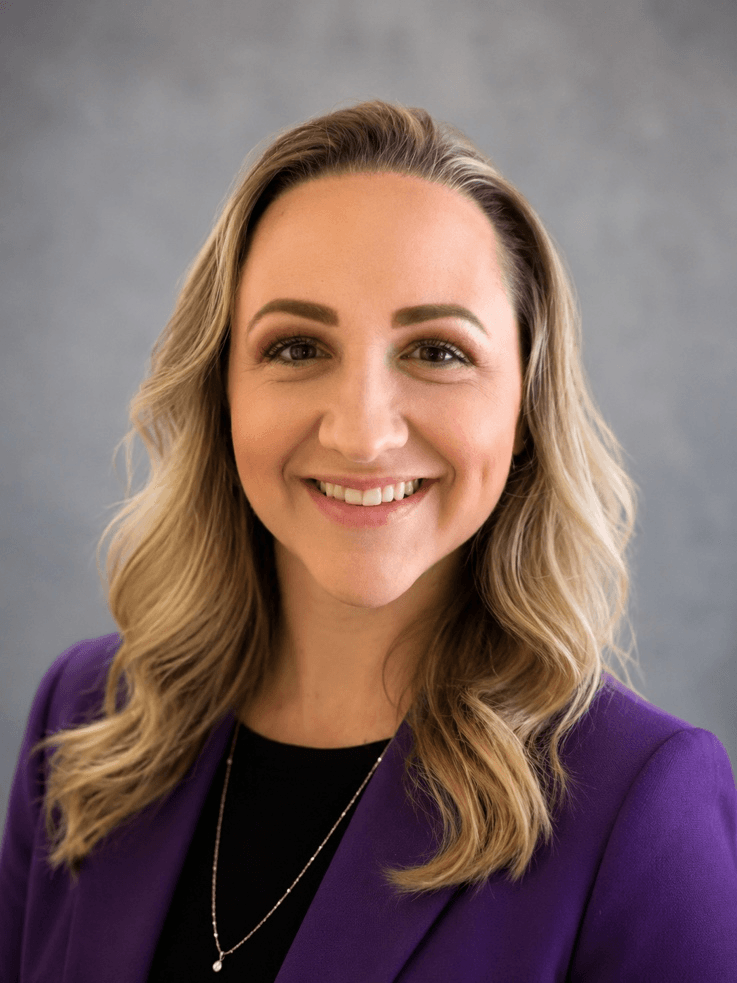
Dr. Vaun Williams
Understanding Methamphetamine Addiction
Methamphetamine (“meth,” “ice,” “crystal”) is a powerful stimulant that speeds up the central nervous system. It floods the brain with dopamine, creating intense energy, alertness, and euphoria, but also places enormous strain on the heart, brain, and mental health NIDA.
People use meth for many reasons: to stay awake at work, feel more confident, escape emotional pain, or “keep up” socially. Over time, meth changes how the brain’s reward and stress systems work, leading to cravings, dependence, and addiction.
At Faithland Recovery Center, we understand that meth addiction is not a character flaw or moral failing. It’s a complex, treatable condition that often coexists with trauma, stress, anxiety, and depression. Our approach is whole-person and compassionate, drawing on the same core framework we use for other drug addictions.
Recovery is absolutely possible, even if meth has been part of your life for years.
A Stigma-Reducing Conversation: Asking for Help

Friend: “Hey, can we talk for a minute? I’ve noticed you’ve been up for days sometimes, and then you crash really hard. I’m worried because you mean a lot to me.”
Person Struggling: “Everyone uses something. I’m not some ‘meth head.’ I’m just trying to get through everything that’s going on.”
Friend: “I don’t see you like that. I see you as my friend who’s exhausted and under a lot of pressure. I read that Meth hooks the brain really quickly and pushes it into survival mode.”
Person Struggling: “Honestly, I am scared. I feel like it’s taking me over. I’ve been ashamed to tell anyone.”
Friend: “I understand that, but you deserve support. Another friend of mine was addicted to Meth, and he went to Faithland. They see it as a health issue, not something to be ashamed of. They really helped him with the cravings, sleep, mood, and also the stress and trauma underlying the addiction. Would you think about talking with someone there? Totally no pressure, I just want you to think about options.”
Person Struggling: “…Maybe. I’m tired of hiding this. I don’t want it to ruin my life.”
Friend: “It’s really brave to admit that. If you’d like, I’ll sit with you while you make the call. You don’t have to do this alone.”
One honest, non-judgmental conversation can be the beginning of real change. For you or someone you care about.
Worried About Yourself or a Loved One?
What Is Methamphetamine and How Does It Work?
Methamphetamine is a synthetic stimulant related to amphetamines. “Crystal meth” usually refers to a purer, glass-like form that’s smoked or injected, causing a rapid, intense “rush” NIDA.
Meth:
- Dramatically increases dopamine in the brain’s reward pathways
- Raises heart rate, blood pressure, and body temperature
- Suppresses appetite and sleep
Over time, meth use is linked to serious harms, including memory problems, aggression, paranoia, psychosis, heart issues, severe dental problems, and malnutrition. Injection use also raises the risk of infectious diseases.
How Meth Dependence Develops

Many people don’t set out to become dependent on meth. It might start with:
- Staying awake for long shifts or studying sessions
- Boosting confidence socially or sexually
- Numbing depression, boredom, or trauma
Because meth acts so strongly on dopamine, the brain quickly adapts. A person may:
- Need more to feel any effect
- Feel flat, exhausted, or depressed without it
- Use just to feel “normal” or avoid crashing
Stimulant use disorders develop when meth use continues despite clear problems in health, relationships, or work SAMHSA. This isn’t about willpower. Methamphetamine use disorder is a treatable health condition that affects the brain and behavior, and people do recover.
Signs and Symptoms of Methamphetamine Addiction
Recognizing signs early can help you or a loved one seek help sooner.
Physical Signs
- Significant weight loss
- Dental problems (“meth mouth”), jaw clenching or grinding
- Skin sores, picking, or frequent infections
- Racing heart, high blood pressure
- Staying up for days and then “crashing”
Emotional & Cognitive Signs
- Intense anxiety, irritability, or mood swings
- Suspiciousness or paranoia
- Hallucinations (seeing or hearing things that aren’t there)
- Problems with focus, attention, or memory
Behavioral Signs
- Restlessness, agitation, pacing
- Risky sexual behavior
- Neglecting work, school, or family responsibilities
- Using even after health scares or major consequences
If you or someone you care about has tried to cut down but can’t, or is using meth despite obvious harm, it may be time to reach out for professional support.
You’re Not Alone. Learn About Your Options.
Risks of Meth Use and Overdose
Methamphetamine can affect nearly every area of life:
- Heart attacks, stroke, and dangerous spikes in blood pressure
- Severe anxiety, panic, paranoia, or psychosis
- Injuries from risky behavior or violence
- Malnutrition, dental disease, chronic infections NIDA
Fentanyl Contamination
Another growing risk is fentanyl contamination. Street meth is increasingly cut with fentanyl or other synthetic opioids, which can dramatically increase overdose risk, even for people who do not knowingly use opioids CDC, DEA.
An overdose is a medical emergency. Call local emergency services immediately. If fentanyl exposure is suspected, naloxone may help reverse the opioid part of the overdose, but the person still needs urgent medical care.
Meth Withdrawal and Why Support Matters

Stopping meth can lead to a “crash” followed by withdrawal symptoms, such as:
- Profound fatigue and sleeping much more than usual
- Strong cravings for meth
- Depression, hopelessness, or anxiety
- Irritability and difficulty concentrating
- Increased appetite
While meth withdrawal isn’t usually medically dangerous in the same way as some other withdrawals can be, the emotional crash can be severe. Supportive, structured care can help manage mood, sleep, and cravings and reduce the risk of returning to use.
Treatment for Methamphetamine Addiction at Faithland
Our treatment addresses both the stimulant-specific effects of meth and the emotional, relational, and spiritual roots of addiction with a compassionate framework.
1. Evidence-Based Behavioral Treatment
There are currently no FDA-approved medications specifically for methamphetamine use disorder, so treatment focuses on behavioral therapies.
- Cognitive Behavioral Therapy (CBT) – understanding triggers, changing thinking patterns, and building healthier coping skills
- Contingency Management (CM) – structured rewards that reinforce abstinence and treatment attendance
- Community Reinforcement and Relapse Prevention – rebuilding daily life around meaningful activities, relationships, and goals
- Motivational Interviewing (MI) – helping you clarify your own reasons for change
2. Outpatient Treatment at Faithland
Outpatient care can work well if you don’t require 24/7 supervision but need structured support. Programs may include:
- Individual counseling and personalized therapy
- Education on stimulant effects, sleep, nutrition, and cravings
- Skills for emotional regulation, stress management, and relapse prevention
- Practical support for work, school, and family life
3. Virtual Intensive Outpatient Therapy (VIOP)
Virtual IOP lets you access intensive treatment from home through secure video sessions. This can be especially helpful if travel, childcare, or work make in-person treatment difficult.
Many people who use meth also experience:
- Anxiety or panic
- Depression or bipolar disorder
- PTSD or complex trauma
- ADHD or other mental health conditions
Treating both methamphetamine use disorder and co-occurring mental health issues together leads to better long-term outcomes.
Recovery Starts with One Compassionate Conversation
You don’t have to do this alone.
Recovery from methamphetamine addiction is real and within reach, even if things feel overwhelming right now. With compassionate support, research-backed care, and a plan shaped around your story, it’s possible to restore your health, rebuild relationships, and reconnect with who you are. Faithland Recovery Center is here to walk alongside you, every step of the way. And if you’re caring for someone who’s struggling, you don’t have to carry it alone.
Sources
- National Institute on Drug Abuse (NIDA). Methamphetamine Research Report and “Methamphetamine (Meth).”
- Substance Abuse and Mental Health Services Administration. Treatment for Stimulant Use Disorders (TIP 33). Rockville, MD: SAMHSA; updated 2021. Available via NCBI Bookshelf.
- S. Centers for Disease Control and Prevention (CDC). Drug Overdose Deaths Involving Stimulants
- S. Drug Enforcement Administration (DEA). Facts about Fentanyl and information on fentanyl contamination of the drug supply.
Does Your Insurance Cover Mental Health?
We accept most insurances. Verify your insurance now.