
PTSD & Trauma-Related Disorders Treatment at Faithland Recovery Center
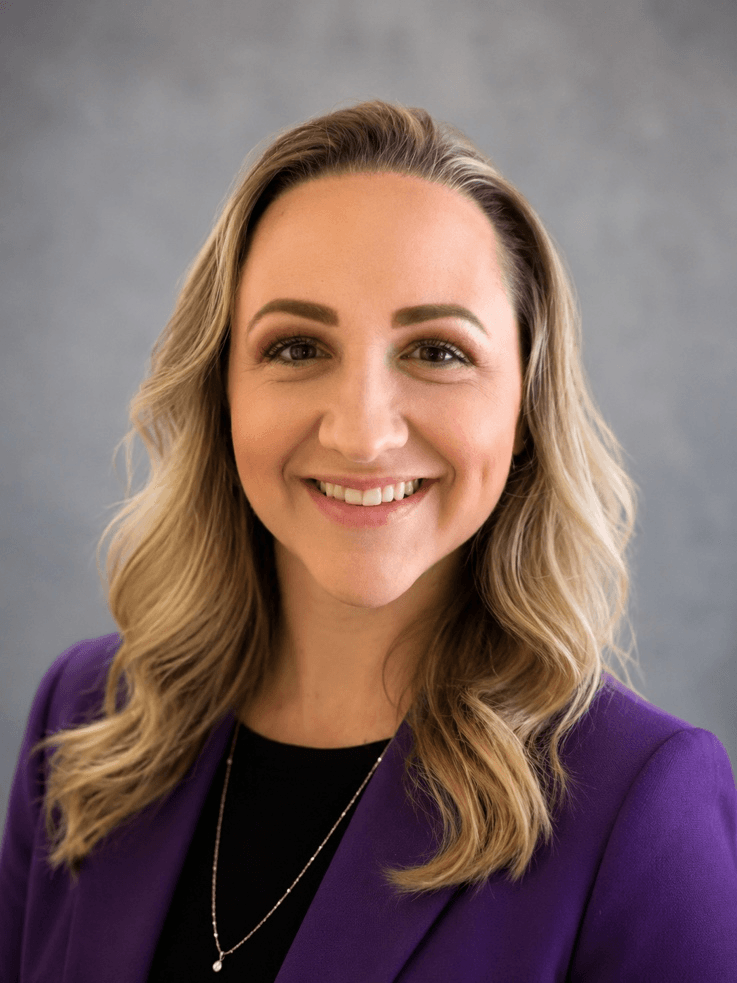
Dr. Vaun Williams
Understanding Trauma-Related Disorders: When the Nervous System Stays on High Alert
Trauma-related disorders (also called trauma-and stressor-related disorders) can develop after exposure to a traumatic event such as assault, accidents, disasters, combat, or witnessing violence. After these experiences, symptoms often persist and start to interfere with day-to-day life. When this happens, a diagnosis of PTSD or a trauma-related disorder may be given.
In the U.S., an estimated 3.6% of adults experience PTSD in a given year, and lifetime prevalence is about 6.8% NIMH.
At Faithland, we approach trauma holistically with compassion and clinical expertise. Trauma responses are not a weakness or “overreacting.” They are learned survival patterns in the brain and body, and they can be successfully treated.
A Moment of Relief

Imagine Jane, a 34-year-old who survived a serious car accident. Months later, she still startles at sudden sounds, avoids driving, and wakes up from nightmares with her heart pounding. She tells herself she should be over it, but her body doesn’t agree.
In session, her therapist explains:
“Your nervous system learned danger. Skills like grounding help it relearn safety.”
They practice a simple grounding skill:
- Name 5 things you can see
- 4 things you can feel
- 3 things you can hear
- 2 things you can smell
- 1 thing you can taste
Her breathing slows. The room feels real again. That moment isn’t the end of the journey, but it’s a beginning. It’s proof that her body can shift states.
Common Trauma-Related Conditions
Trauma can show up in different ways. Common diagnoses and presentations include:
- Post-Traumatic Stress Disorder (PTSD): intrusive memories/flashbacks, avoidance, negative shifts in mood or beliefs, and hyperarousal (sleep disturbance, irritability, hypervigilance).
- Acute Stress Disorder: PTSD-like symptoms that occur shortly after trauma (often within the first month).
- Complex trauma presentations: difficulties with emotion regulation, self-worth, relationships, and chronic threat response (may or may not be diagnosed as PTSD).
Your clinical team will undertake a thorough assessment to clarify what’s happening and the best treatment for your healing journey.
Signs You May Be Experiencing Trauma-Related Symptoms
Trauma symptoms often fall into a few clusters:
Intrusion
- Distressing memories, nightmares, flashbacks
- Feeling as if the event is happening again
Avoidance
- Avoiding places, people, conversations, or sensations that remind you of what happened
Mood & Thinking Changes
- Guilt, shame, numbness, detachment
- Feeling unsafe, distrustful, or “permanently changed”
Arousal & Reactivity
- Hypervigilance, being easily startled
- Irritability, panic, sleep problems
If these symptoms are interfering with your work, relationships, or ability to feel present in life, support can make a significant difference.
Unsure if what you’re experiencing is trauma-related? Begin a conversation with our team today.
PTSD, Trauma, and Addiction Often Co-Occur
Trauma symptoms are distressing, and many people try to cope in the fastest way available. Substances can temporarily numb hyperarousal, improve sleep, or shut down intrusive memories, but over time, this can increase risk and keep the nervous system stuck.
- A VA PTSD resource reports that PTSD and substance use disorders often co-occur: about 45% of adults with PTSD also have drug or alcohol problems. It also notes that Veterans with lifetime PTSD are about twice as likely to have alcohol problems and three times as likely to have drug problems as those without PTSD.
When trauma and addiction are treated together, people often see stronger, more sustainable recovery, because the underlying drivers (threat response, avoidance, emotional pain) are addressed, not just the symptoms.
If PTSD and substance use are both part of your story, you don’t have to untangle it alone.
Faithland’s Trauma-Informed, Whole-Person Approach
Faithland’s model integrates mind, body, relationships, environment, and meaning, so healing isn’t only “talking about it,” but building safety, strength and skills for daily life.
1) Mind: Evidence-Based Trauma Therapies
Clinical practice guidelines recommend manualized, trauma-focused psychotherapies as first-line treatments for PTSD, including:
- Cognitive Processing Therapy (CPT)
- Prolonged Exposure (PE)
- EMDR (Eye Movement Desensitization and Reprocessing)
These approaches help reduce avoidance, reprocess stuck trauma memories, and shift the beliefs and body responses that keep PTSD going.
2) Body: Regulating the Nervous System
Because trauma lives in the body too, we support recovery through:
- Sleep and circadian rhythm support
- Movement and grounding-based practices
- Breathwork, mindfulness, and somatic regulation tools
3) Relationships: Rebuilding Safety with Others
Trauma can isolate. When clients want it, we include supportive loved ones through family therapy and education, so relationships become part of healing, not another stressor.
4) Environment: A Safe Healing Space
Healing accelerates when your system isn’t constantly bracing. We emphasize safety, comfort, and nonjudgmental care.
Treatment Options for PTSD & Trauma at Faithland

Individual therapy, skills building, holistic supports, and integrated care for co-occurring concerns.
2) Virtual Intensive Outpatient Therapy (VIOP)
Trauma-informed treatment delivered through secure video sessions when in-person care isn’t accessible.
3) Medication Management (When Appropriate)
Guidelines commonly recommend certain antidepressants as medication options for PTSD, often alongside therapy.
For clients with co-occurring substance dependence, our team can also support individualized medication strategies as part of integrated care.
Veterans and Trauma
Veterans’ everyday lives are often impacted by traumatic experiences that can shape sleep, mood, relationships, and everyday functioning. At Faithland, our trauma-informed team understands combat stress and the complexities of returning to civilian life. We provide personalized, evidence-based treatment that supports recovery, restores stability, and helps veterans move forward.
Insurance FAQs
At Faithland, we accept most PPO insurance. Please call us or complete the insurance verification form via the link below to verify your insurance.
You Don’t Have to Carry This Alone

Trauma can make the world feel unsafe, and the future seem narrow. With trauma-informed, evidence-based care, healing is possible, and many people regain sleep, steadier emotions, improved relationships and a sense of trust in themselves again.
Take the first step toward safety and recovery.
Sources
- National Institute of Mental Health (NIMH). Post-Traumatic Stress Disorder (PTSD): Statistics.
- S. Department of Veterans Affairs / Department of Defense. 2023 Clinical Practice Guideline for the Management of PTSD
- VA National Center for PTSD. Treatment of Co-Occurring PTSD and Substance Use Disorders.
Does Your Insurance Cover Mental Health?
We accept most insurances. Verify your insurance now.